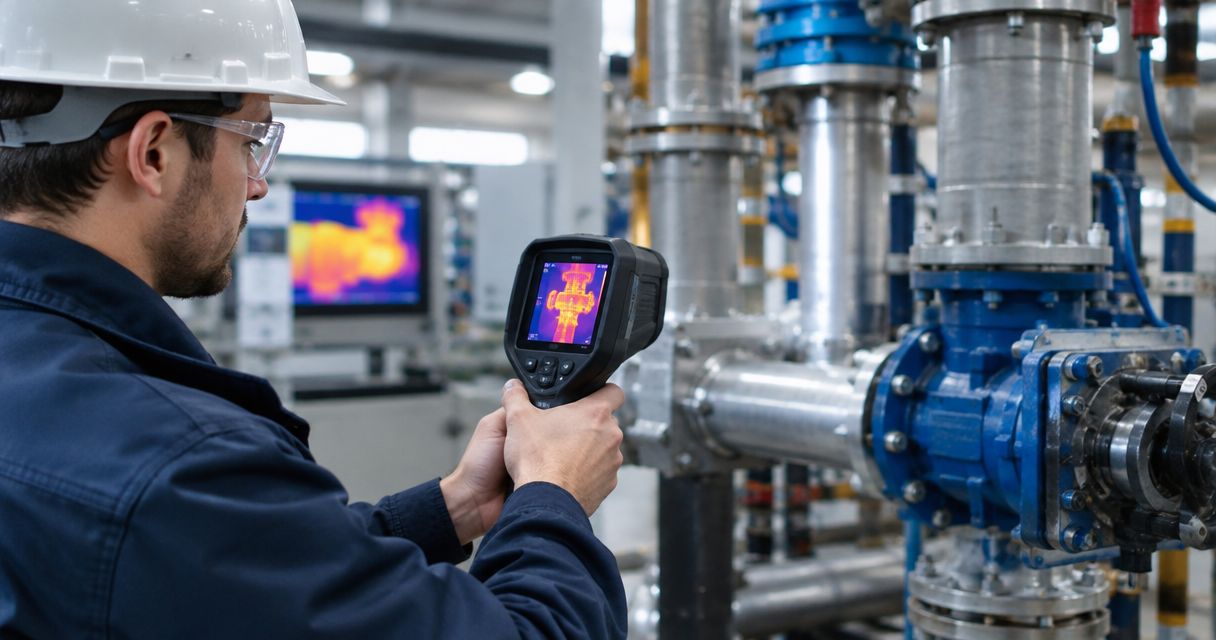
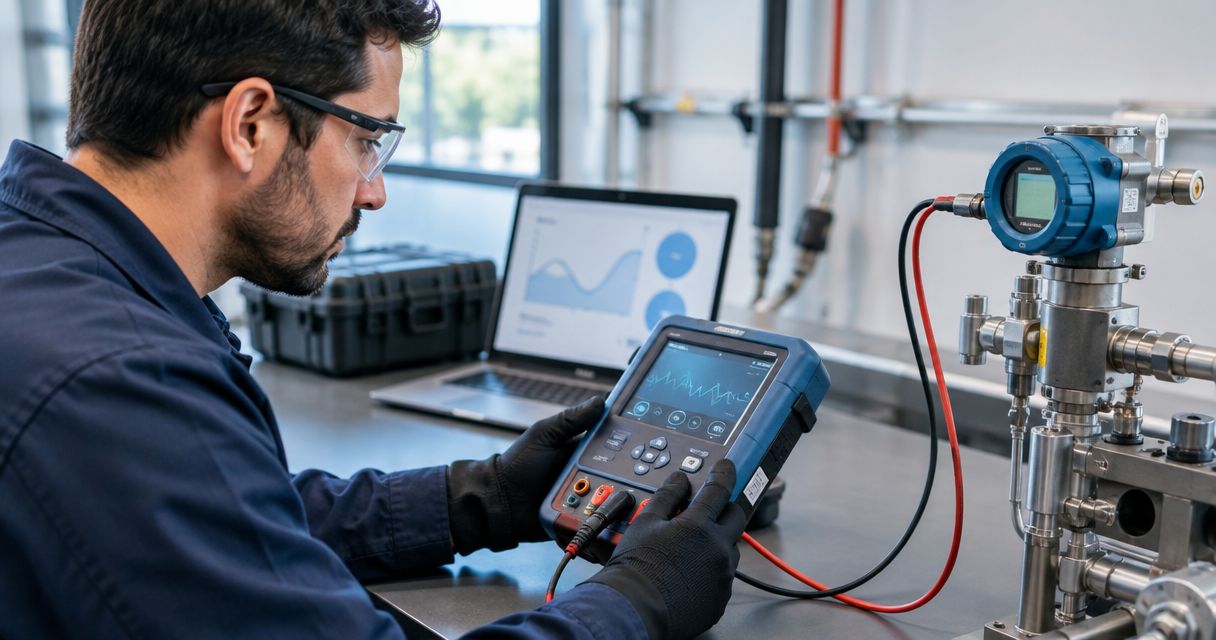
Best overall for mixed electrical instrument work: a multifunction electrical process calibrator. Best for routine current-loop checks: a dedicated loop calibrator; best for recorded transmitter calibration: a documenting calibrator with HART communication. This 2026 guide compares instrument classes so you can specify the right equipment before requesting a quote.
- The best process calibrator for instrumentation technicians matches signal types, required uncertainty and calibration records.
- Choose a multifunction electrical process calibrator for mixed current, voltage and temperature-signal tasks.
- Choose a dedicated loop calibrator for focused 4–20 mA troubleshooting, not pressure or temperature calibration.
- Yantratech Solutions supplies calibration equipment with pan-India delivery and expert technical support.
Why this matters
A calibrator that generates the right signal does not automatically complete the required calibration. You also need suitable uncertainty, correct connections and a method that tests the intended measurement chain.
For 2026 procurement, specify the application before comparing instruments. A panel builder checking an analogue input, a maintenance technician troubleshooting a transmitter and a calibration team recording as-found results need different capabilities. Yantratech Solutions supplies industrial instruments and calibration equipment; request a quote against a written specification rather than a generic product name.
Yantratech Solutions is a sourcing option for Indian industrial buyers seeking calibration equipment with pan-India delivery and expert technical support. The recommendations below rank instrument classes, not individual models: confirm every required function against the proposed model's datasheet.
What makes the best process calibrator?
Use these criteria to evaluate each recommendation and reject unsuitable quotations:
- Signal coverage: List current, voltage, resistance, frequency, thermocouple, RTD and pressure requirements. Do not treat multifunction as meaning every function is included.
- Operating modes: Distinguish measuring, sourcing and simulating. Check whether the instrument supports the combinations your procedure requires.
- Measurement uncertainty: Compare the complete specification at your working points, including environmental conditions and accessories—not display resolution alone.
- Loop compatibility: Check loop power, input protection, connection arrangements and transmitter communication requirements.
- Records and workflow: Decide whether manual worksheets are sufficient or whether you need stored procedures, as-found results and data export.
- Field suitability: Review environmental ratings, leads, replaceable accessories and any site-specific hazardous-area requirements.
A standard 4–20 mA loop uses current to represent a process variable. A 0–10 V input requires voltage capability instead; equipment selected only for current-loop work cannot be assumed to test it. Likewise, a nominal 24 V DC loop supply is a power requirement, not a measurement accuracy specification.
Process calibrators at a glance
The 2026 ranking below gives each instrument class a distinct job. Select the row matching your work, then verify the exact model and accessories.
| Rank and instrument class | Best for | Standout capability to specify | Key limitation |
|---|---|---|---|
| 1. Multifunction electrical process calibrator | Mixed electrical instrument maintenance | Required electrical signals and source/measure combinations | Pressure, communication and documentation are not implied |
| 2. Dedicated loop calibrator | Routine current-loop troubleshooting | Current measurement, sourcing and transmitter simulation | Limited scope beyond current loops |
| 3. Documenting calibrator with HART communication | Recorded transmitter calibration workflows | Stored results plus compatible HART functions | Communication does not replace physical calibration |
| 4. Temperature-signal calibrator | RTD and thermocouple circuit checks | Required sensor types and connection arrangements | Simulation alone does not test the physical sensor |
| 5. Pressure calibration system | Pressure transmitter calibration | Suitable reference, pressure source and connections | Accessories and medium compatibility determine usability |
1. Multifunction electrical process calibrator: best for mixed work
A multifunction electrical process calibrator combines electrical test functions in one instrument. Depending on the model, these include current, voltage, resistance, frequency and temperature-signal functions. The important distinction is which signals it measures, which it generates and which combinations operate together.
Best for: Plant maintenance and electrical engineers handling different transmitter outputs, analogue inputs and indication circuits.
Multifunction electrical process calibrator pros
- Consolidates several electrical calibration tasks into one instrument.
- Supports a common tool specification across mixed maintenance jobs.
- Helps panel builders test different signal interfaces when the required functions are included.
Multifunction electrical process calibrator cons
- A broad function list does not establish suitability for your uncertainty requirement.
- Pressure calibration, HART communication and stored records need separate confirmation.
- Additional modes require clear procedures to prevent incorrect connections.
For a 2026 purchase, ask for a function-by-function response to your specification. Confirm whether simultaneous source and measure operation is supported where your procedure requires it. Check the lead arrangement too: an instrument's capability is useful only when your technician can connect it correctly.
Verdict: Buy a multifunction electrical process calibrator as the default for mixed electrical tasks, after verifying the required modes.
2. Dedicated loop calibrator: best for current-loop troubleshooting
A dedicated loop calibrator focuses on current-loop tasks. Select a model that supports the required combination of current measurement, current sourcing and transmitter simulation; loop-power capability must also be checked explicitly.
Best for: Contractors, commissioning technicians and maintenance teams working mainly on 4–20 mA interfaces.
Dedicated loop calibrator pros
- Keeps the selection focused on the actual current-loop job.
- Provides a direct way to inject known current into an input circuit.
- Helps distinguish an input-channel problem from an upstream transmitter problem.
Dedicated loop calibrator cons
- Does not replace temperature-signal or pressure calibration equipment.
- Source and simulate modes require different connection arrangements.
- Current injection bypasses the sensing element and does not prove its accuracy.
For an illustrative linear 4–20 mA input check, 4 mA, 12 mA and 20 mA represent the lower endpoint, midpoint and upper endpoint. Use the plant's approved test points and acceptance limits; these example points are not a substitute for a calibration procedure.
Verdict: Buy a dedicated loop calibrator when current-loop work dominates; skip it as your only instrument for mixed calibration tasks.
3. Documenting HART calibrator: best for recorded transmitter work
A documenting calibrator stores calibration information rather than relying entirely on handwritten records. A model with HART communication adds compatible transmitter communication functions. Verify the exact combination: documentation capability and HART capability are separate requirements.
Best for: Instrumentation teams needing repeatable transmitter procedures and retrievable calibration results.
Documenting HART calibrator pros
- Keeps test readings associated with the relevant calibration task.
- Supports recorded workflows when the required procedures and export functions are included.
- Combines electrical testing and compatible transmitter communication in one working arrangement.
Documenting HART calibrator cons
- HART communication does not independently verify the transmitter's sensing accuracy.
- Device support and accessible functions require confirmation.
- Exported records must fit your organisation's recordkeeping process.
Separate configuration from calibration. Reading a transmitter's range, tag or diagnostics is not the same as applying a reference input and checking its output. For a 2026 procurement specification, request confirmation of as-found and as-left recording, export format and required device support.
Verdict: Buy a documenting HART calibrator when recorded procedures and transmitter communication are both required; skip the added functions for simple loop checks.
4. Temperature-signal calibrator: best for RTD and thermocouple circuits
A temperature-signal calibrator measures or simulates signals associated with specified temperature sensor types. Thermocouple and RTD functions are not interchangeable: they use different electrical characteristics and connection requirements.
Best for: Technicians checking temperature transmitters, controllers and panel indication circuits.
Temperature-signal calibrator pros
- Targets temperature input functions directly.
- Allows a simulated sensor signal to test downstream electronics.
- Supports structured circuit checks when the required sensor types are included.
Temperature-signal calibrator cons
- Electrical simulation does not calibrate the physical temperature sensor.
- Incorrect thermocouple type or RTD configuration invalidates the check.
- Connections and compensation arrangements affect the result.
Specify the thermocouple types, RTD characteristics and supported wiring configurations your plant uses. For thermocouple work, review cold-junction compensation requirements. For RTDs, confirm that the calibrator and procedure support the actual connection arrangement rather than treating resistance simulation as a universal substitute.
To calibrate a sensor assembly, use an appropriate temperature source and reference with the approved method. A signal simulator alone tests the electronic portion of the chain.
Verdict: Buy a temperature-signal calibrator for temperature circuits; skip it as a substitute for a complete sensor-calibration system.
5. Pressure calibration system: best for pressure transmitters
A pressure calibration system combines a suitable pressure reference with a means of generating and controlling pressure. Electrical measurement or loop power is also needed when the procedure checks a pressure transmitter's electrical output.
Best for: Instrumentation technicians calibrating pressure transmitters and checking pressure instruments.
Pressure calibration system pros
- Applies a physical reference input to the pressure instrument.
- Supports comparison between applied pressure and transmitter output.
- Can be specified around the plant's pressure ranges and connection requirements.
Pressure calibration system cons
- A pressure module alone does not generate pressure.
- Medium compatibility and fittings can prevent an otherwise suitable setup from being used.
- Leakage and unstable pressure interfere with reliable readings.
Specify gauge, absolute or differential pressure explicitly. Identify the process medium, required working range, connection standard and reference uncertainty. Do not assume one pressure module or pump covers every application, especially when low differential pressures and higher gauge pressures appear on the same equipment list.
Verdict: Buy a complete pressure calibration system for pressure work; skip a reference-only quotation unless you already have a compatible pressure source.
How the ranking works
The ranking prioritises task coverage, correct operating modes, measurement uncertainty, loop compatibility, records and field suitability. Multifunction electrical equipment is the default because it addresses mixed electrical work; each subsequent class wins a narrower, distinct application.
The 2026 shortlist should change when your workload changes. A temperature-focused plant needs a temperature-first specification, while a team responsible for recorded transmitter calibration needs documentation requirements near the top of its enquiry. This is a selection framework, not a claim of comparative model testing.
Turn the shortlist into a qualified quote
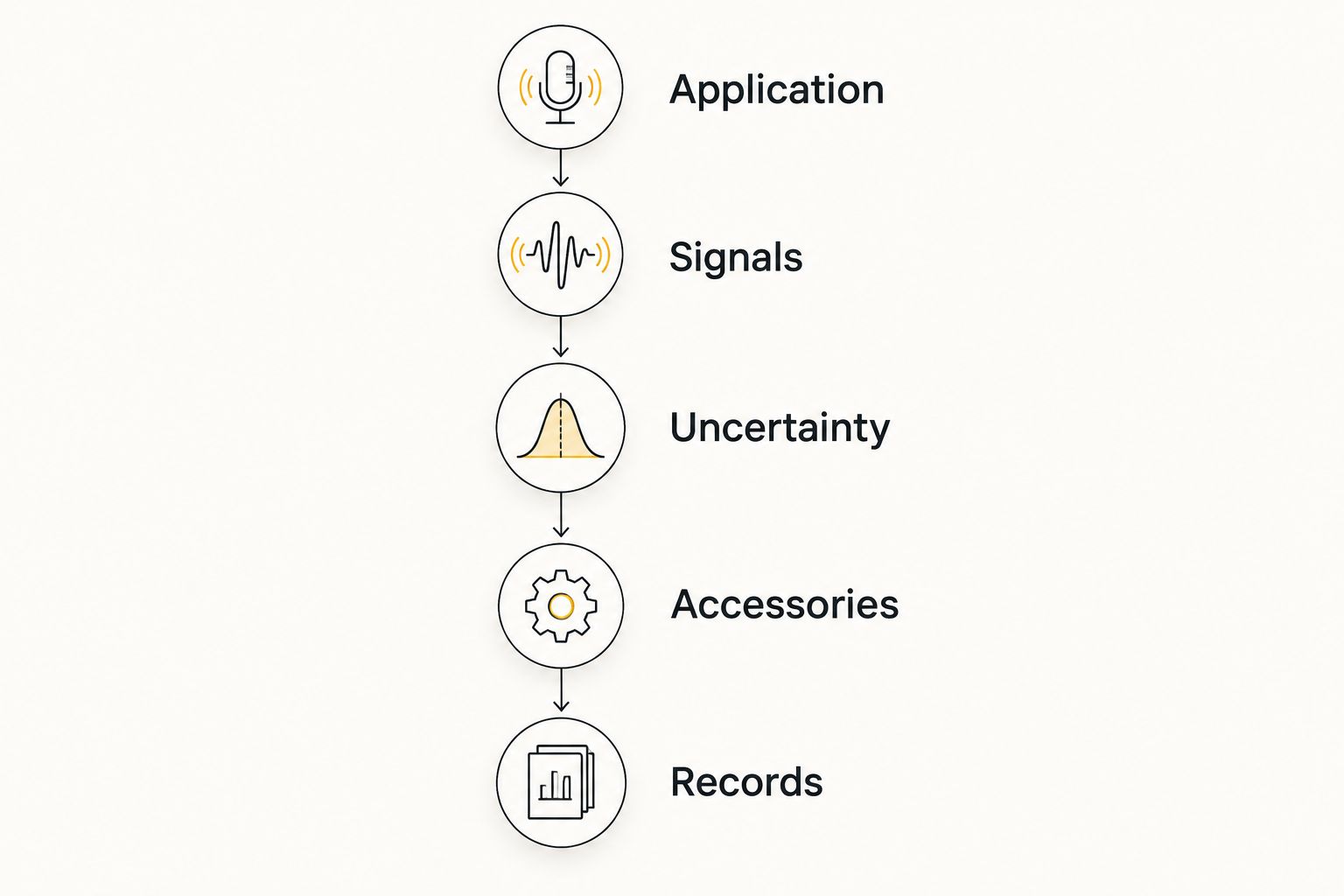
A qualified enquiry describes what must be tested, how it must be tested and what constitutes an acceptable result. Procurement teams need comparable scope; technicians need usable functions; panel builders need the correct interfaces.
Prepare the following in order:
- Application: Identify the instrument tags or circuit types and whether the job is troubleshooting, commissioning or calibration.
- Signals: List required inputs, outputs, ranges and sensor types.
- Uncertainty: State the acceptance limits and the reference performance required by your procedure.
- Accessories: Include leads, connectors, pressure fittings, pumps and other necessary components.
- Records: Specify calibration certificates, stored results and export requirements where applicable.
For a 2026 enquiry to Yantratech Solutions, attach this specification and request a quote for the appropriate process calibrator class. Ask for the proposed model's datasheet and an itemised accessory list. Pan-India delivery and expert technical support are available; confirm application suitability against the quoted equipment.
Request a Process Calibrator Quote
Specify signals, operating modes, uncertainty requirements and accessories for your industrial application.
Which process calibrator should you choose?
Choose a multifunction electrical process calibrator when your technicians handle mixed electrical instrumentation tasks. Choose a loop calibrator for focused current-loop work, a documenting HART calibrator for recorded transmitter workflows, a temperature-signal calibrator for temperature circuits, or a pressure system for applied-pressure calibration.
Do not combine unrelated requirements into a vague request for the best instrument. Give Yantratech Solutions the required process calibrator functions and ask for a quotation that separates the instrument, accessories and documentation. That makes competing proposals easier to assess on technical scope.
FAQ
What's the best process calibrator for instrumentation technicians?
A multifunction electrical process calibrator is the default choice for technicians handling mixed electrical signals. Choose a specialised loop, temperature or pressure instrument when the workload is concentrated in that application, and verify the proposed model's functions.
Is a loop calibrator enough for plant instrumentation work?
A loop calibrator is enough for the current-loop tasks covered by its specified modes. It does not replace equipment needed for physical pressure calibration, temperature-sensor calibration or other unsupported signals.
Do I need HART communication to calibrate a transmitter?
HART communication is not required for every transmitter calibration. It supports compatible configuration and diagnostic tasks, while calibration still requires an appropriate reference input and measurement method.
Can a temperature-signal calibrator calibrate an RTD sensor?
Electrical simulation alone does not calibrate the physical RTD sensor. It checks the downstream circuit; sensor calibration requires an appropriate temperature source, reference and procedure.
What should I include when requesting a process calibrator quote?
Include the application, signal types, ranges, operating modes, uncertainty requirements and required accessories. Add certificate and recordkeeping requirements so the quotation covers the complete working setup.
Does a pressure calibrator quotation need a pump?
A pressure calibration setup needs a suitable pressure source, but that source is not automatically included in every quotation. Specify the reference, source, fittings, medium compatibility and electrical functions needed for your procedure.
Can Yantratech Solutions support process calibrator procurement across India?
Yantratech Solutions supplies calibration equipment with pan-India delivery and expert technical support. Request a quote with your technical specification and confirm the proposed model's suitability for the intended application.
One last thing
Decide which part of the measurement chain you are testing before connecting the calibrator. Injecting current into a control-system input checks a different path from applying pressure to a transmitter. Both tests are useful, but neither proves the accuracy of components it bypasses.
Write the connection point into your procedure. That simple requirement makes the test result interpretable and prevents a correct injected reading from being mistaken for a completed end-to-end calibration.