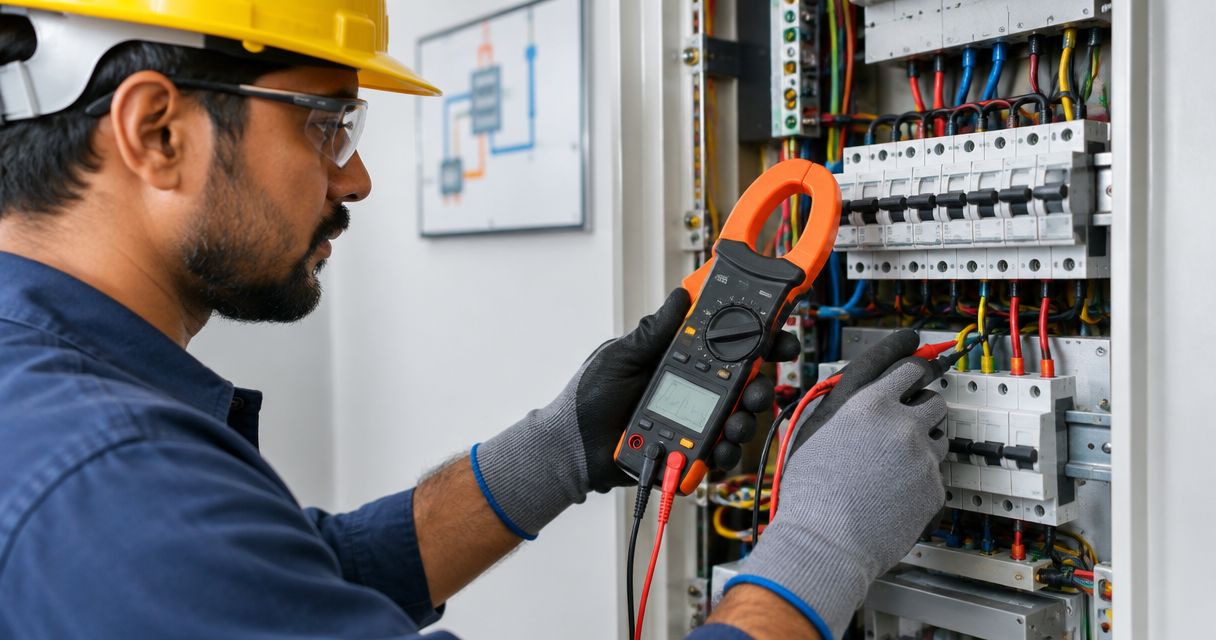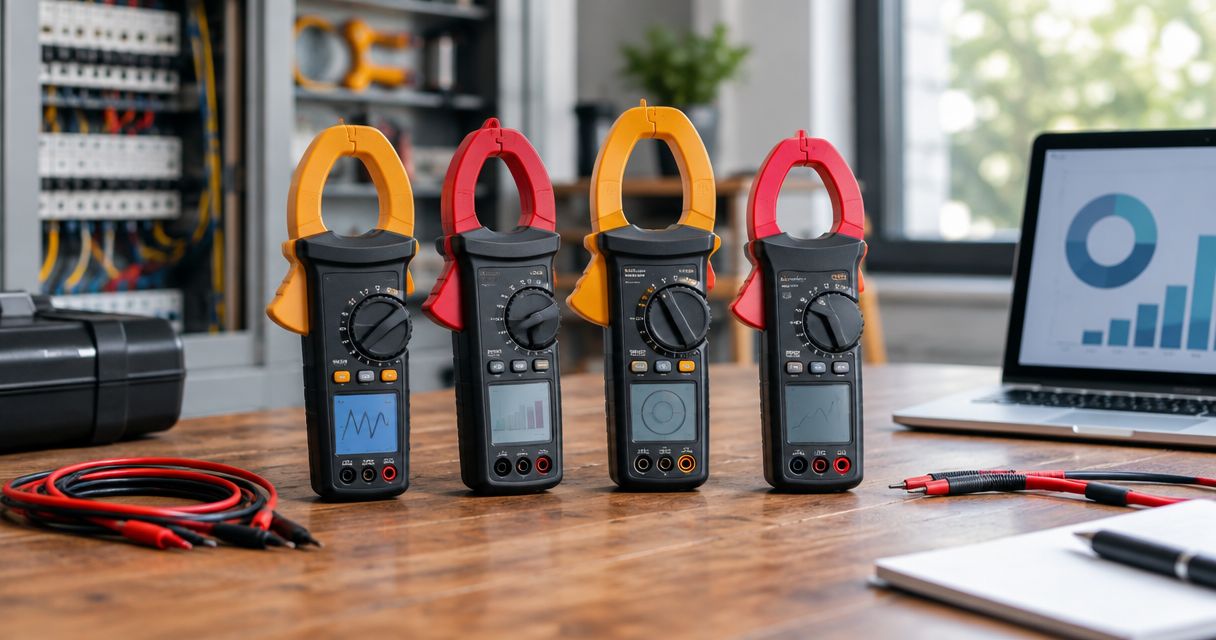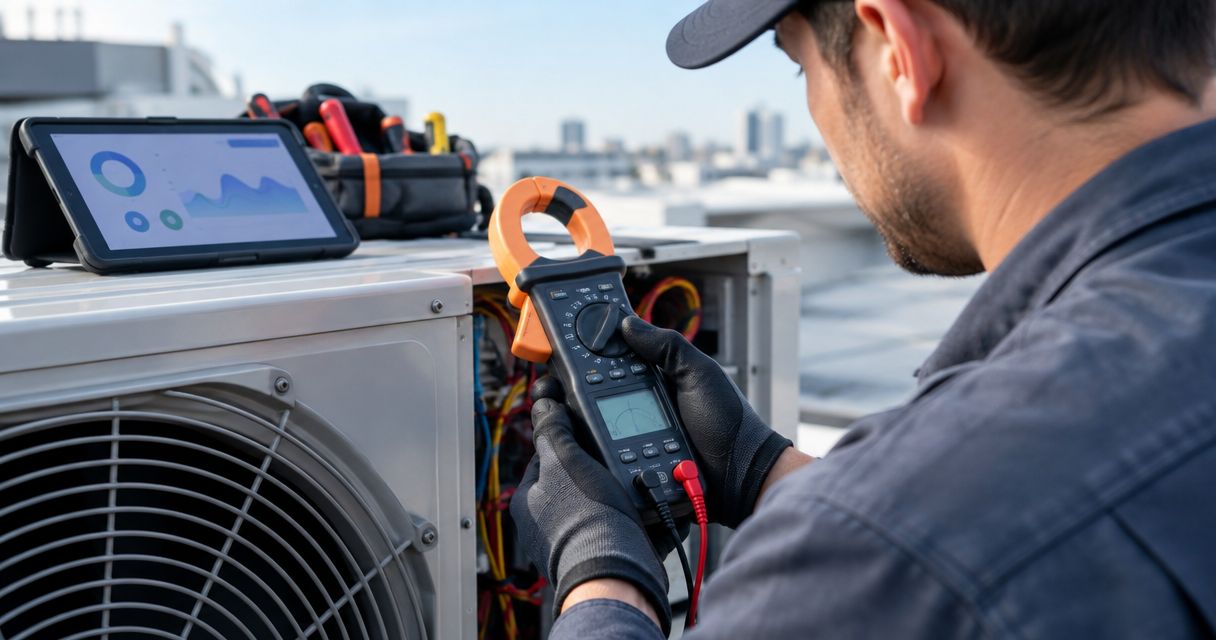
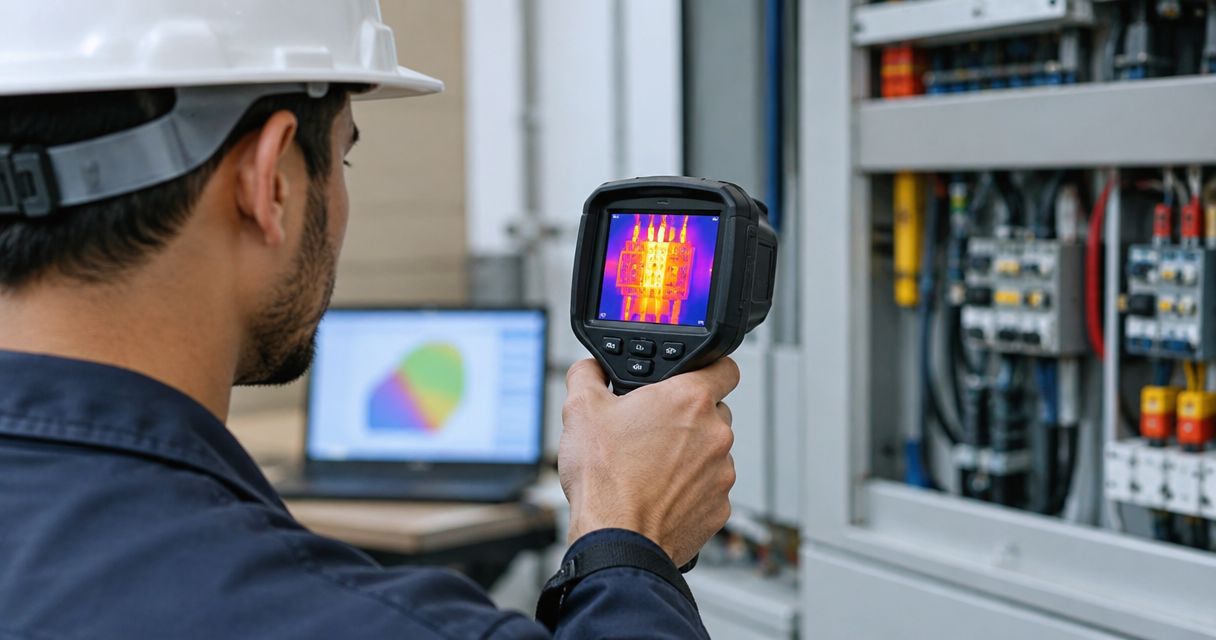
There is no single thermal imaging camera price in India in 2026. The amount you pay depends on the camera specification and what the quotation includes. For an industrial purchase, compare itemised quotes for the same inspection task rather than treating a camera listing as the total cost.
- Thermal imaging camera price in India in 2026 requires a current, specification-matched quote; no single figure fits every inspection task.
- Compare detector resolution, lens, measurement features and calibration documentation before comparing quotes.
- A higher pixel count shows more image detail but does not, by itself, guarantee more accurate temperature readings.
- Yantratech Solutions fits Indian industrial buyers sourcing thermal imaging solutions alongside testing and measuring instruments.
Why this matters
A thermal camera bought for checking a motor casing faces a different task from one used to distinguish connections inside a crowded electrical panel. Both can produce a thermal image. That does not make their quotations interchangeable. In 2026, the useful purchasing question is what the camera must resolve, from where, and how its readings will be recorded.
Yantratech Solutions supplies thermal imaging solutions and other industrial instruments across India. Before approaching any supplier, define the inspection target and the records your maintenance team needs. Those requirements give you a basis for comparing quotations without assuming that the lowest-listed camera will do the job.
How much does a thermal imaging camera cost in India in 2026?
A dependable figure needs a specified camera and a current quote. Camera categories differ in image detail, optics and measurement functions, while quotations can differ in included accessories and documentation. The table shows which type to ask about; it does not assign a price to an unspecified model.
| Option to compare | Best for | Advantage | Limitation to check |
|---|---|---|---|
| Lower-resolution handheld camera | Close-range checks of accessible equipment | A simpler option when the target occupies enough of the image | Small components can be difficult to distinguish, especially at a distance |
| Higher-resolution handheld camera | Panels or equipment with several nearby inspection points | More image detail helps separate adjacent areas | Extra pixels do not replace the right lens or measurement procedure |
| Specialist camera or lens configuration | Small targets viewed from a required distance | Optics can be selected around the inspection geometry | The lens, accessories and documentation must be included in the comparison |
Choose the inspection task first, then request comparable quotes. A quote for a camera body alone is not equivalent to one that includes the lens, documentation or other items your procedure requires. Ask each supplier to identify exactly what is included rather than inferring it from a product photograph or model family.
A 160 × 120-pixel camera: close-range checks
A detector with 160 × 120 pixels is an example of a lower-resolution thermal imaging camera. It can be a sensible option when you can approach the target safely and the area you need to inspect occupies a clear part of the image. Best for: straightforward checks where you do not need to separate many small, adjacent components. The drawback is limited image detail; do not choose it solely because it appears to be the least expensive option.
Ask for a sample image or demonstration of a target comparable to yours. The meaningful test is whether you can identify the component you intend to monitor under your working conditions. A large motor housing and a small panel connection place different demands on the same detector.
A 320 × 240-pixel camera: more image detail
A 320 × 240-pixel detector provides more image detail than a 160 × 120-pixel detector. Best for: inspections where neighbouring areas need to be distinguished in the thermal image. That makes it a useful specification to compare for equipment with multiple components, but it is not an automatic verdict for every electrical inspection.
Check the lens and your planned working distance alongside the pixel count. More pixels cannot recover detail from a target that occupies too little of the image. Nor does a sharper-looking image prove that its reported temperature is more accurate. Ask for the camera's stated measurement specification separately.
A 640 × 480-pixel camera: detail-intensive surveys
A 640 × 480-pixel detector is a higher-resolution specification to consider when the inspection needs substantial image detail. Best for: surveys with small features or a viewing position that limits how close you can get. Its advantage is the ability to represent more detail in a frame; its drawback is that you can pay for detail your routine checks do not need.
Do not treat this specification as a substitute for a site assessment. Compare the target size, lens and permitted inspection position first. If a lower-resolution configuration identifies the required inspection points clearly, more pixels alone are not a reason to change the purchase requirement.
Why thermal imaging camera prices vary
The main cost drivers are technical and contractual. Put these questions beside each quotation so that a difference in scope does not look like a difference in camera value.
- Detector resolution: How much image detail does the detector capture, and can you distinguish the components in your inspection task?
- Lens and field of view: Can the specified lens frame the target from the position your team can use? A wide view and a close view serve different inspection layouts.
- Thermal sensitivity: Can the camera show the temperature differences you need to investigate? Thermal sensitivity is not the same specification as temperature measurement accuracy.
- Measurement features: Does the quoted configuration let your team record and review the readings required by its procedure? Confirm the functions on the specific model.
- Documentation and support: Does the quote include any calibration documentation, reporting tools, training or service that your purchasing requirement calls for? Ask for each item to be identified rather than assuming it is included.
In 2026, a useful comparison keeps those requirements consistent across suppliers. If one offer omits a necessary lens or document, its headline figure does not describe the same purchase. You can remove unnecessary requirements too: an inspection camera should be specified for the work you perform, not every feature available in the category.
How do you request a comparable industrial quote?
Start with a short inspection brief. It makes the supplier's response easier to assess and gives your maintenance team a way to challenge a recommendation that does not match the job.
- Name the equipment. State whether the work involves switchgear, motors, process equipment or another target. Include the specific components you need to identify in an image.
- Describe the viewing position. Explain whether the operator can inspect close to the target or must remain farther away. Note any access restriction that affects the lens choice.
- State the purpose of the readings. A quick investigation and a documented maintenance procedure need different records. Specify what your team must retain.
- Request the complete quoted scope. Ask for the camera model, detector resolution, lens, included accessories, measurement specification and any documentation or support listed in the offer.
- Compare against the same brief. If a quote does not address a requirement, ask for clarification before ranking it against a more fully specified offer.
The operator should be able to identify the intended inspection point without relying on guesswork about which warm area belongs to which component. That is a more practical buying test than comparing promotional images. For electrical equipment, the inspection method and safe working position must come from your site's procedures.
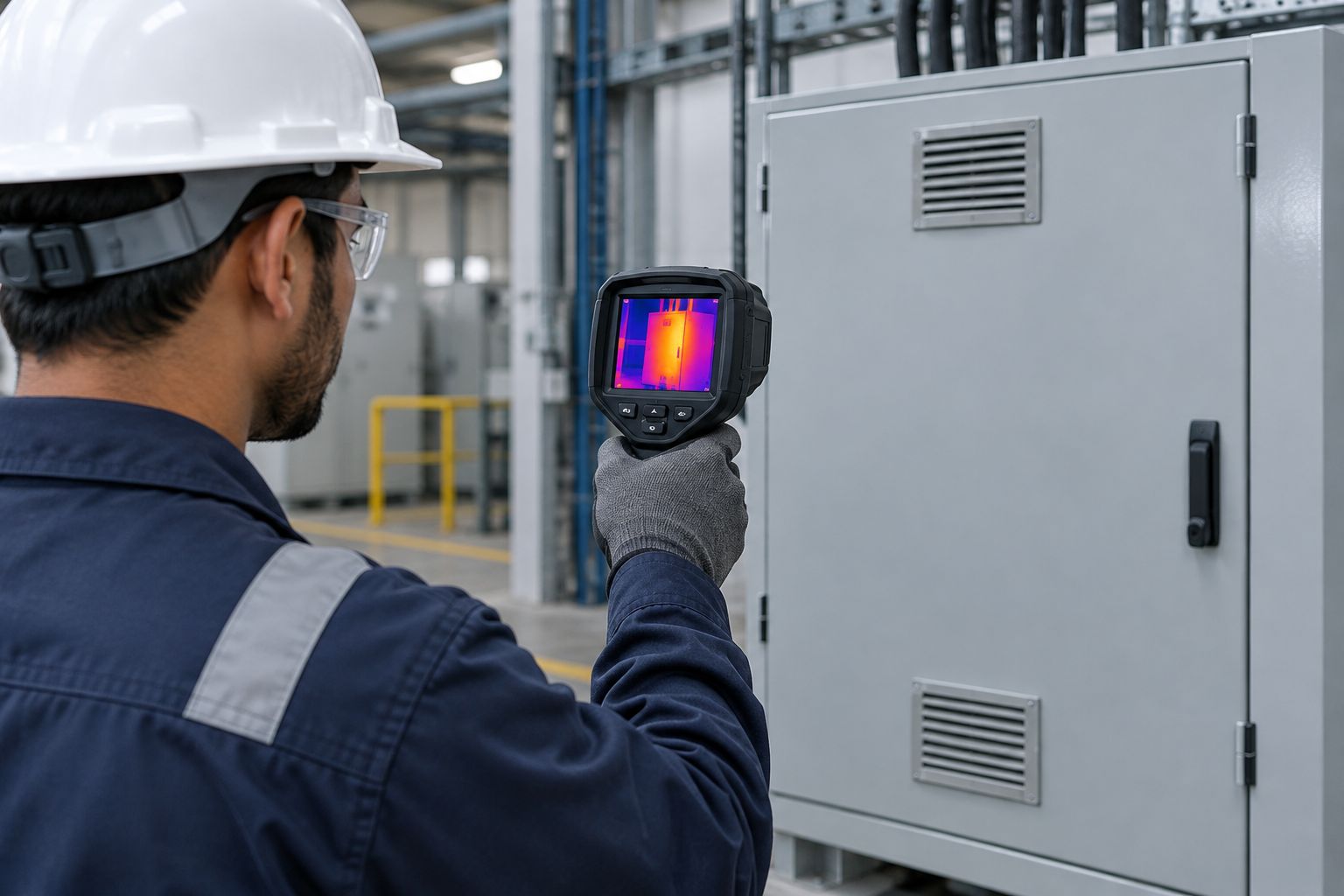
Which costs need a separate question?
Ask whether the quotation covers everything needed to put the camera into your existing maintenance process. The relevant items depend on your procedure, so do not add them to a purchasing brief automatically. Confirm them where they apply.
- Calibration documentation: If your records require it, ask what document is supplied and how the camera's readings will be checked later.
- Reporting: If teams retain thermal images, ask how images and measurement information are exported and whether any required software is included.
- Accessories: Confirm the quoted lens, power accessories and any other items needed for the stated inspection position.
- Service: Ask how the supplier handles questions about the quoted camera and its documentation after purchase.
Yantratech Solutions is best for Indian industrial buyers seeking thermal imaging solutions alongside other testing and measuring instruments. That fit is most relevant when a camera forms part of a wider equipment-purchasing brief. It does not remove the need to check the precise camera specification and quoted scope.
Can a low-resolution camera inspect an electrical panel?
A low-resolution camera can inspect a panel only if it shows the required components clearly from the permitted viewing position. A 160 × 120-pixel specification alone does not establish that. Ask to see how the proposed lens and detector represent inspection points comparable to yours.
Does higher resolution mean more accurate temperatures?
No. A 640 × 480-pixel camera can show more image detail than a 320 × 240-pixel camera, but detector resolution and temperature measurement accuracy describe different things. Check both specifications, and follow an appropriate measurement procedure for the surface being inspected.
Should you request calibration documentation?
Yes, if your maintenance records or purchasing procedure require documented measurement checks. State the documentation requirement in your request so every supplier quotes against the same brief. Do not assume that a document is included simply because the camera displays temperatures.
FAQ
What is the thermal imaging camera price in India in 2026?
A current, specification-matched quotation is the reliable way to establish a thermal imaging camera price in India in 2026. Define the inspection target, lens and documentation needs before comparing offers.
Which thermal camera resolution is best for electrical inspection?
The best resolution is one that shows the required components clearly from your permitted viewing position. Compare a proposed camera and lens against your actual panel layout rather than choosing by pixel count alone.
Is a 320 × 240-pixel camera better than a 160 × 120-pixel camera?
A 320 × 240-pixel detector provides more image detail than a 160 × 120-pixel detector. Whether that helps your inspection depends on target size, lens and viewing distance.
Does a thermal camera see through an electrical cabinet door?
A thermal camera images the surface in its view; it does not reveal components behind an opaque cabinet door. Plan any inspection of internal components around your site's electrical safety procedures.
Do I need calibration documentation with a thermal imaging camera?
Request calibration documentation when your maintenance or purchasing procedure requires it. Ask the supplier to identify what is included with the specific quoted configuration.
What should an industrial thermal camera quotation include?
An industrial thermal camera quotation should identify the model, detector resolution, lens and included items. It should also address the measurement, documentation and support requirements in your inspection brief.
One last thing
The first comparison to make is not between camera listings. It is between the smallest component you need to distinguish and the position from which you can inspect it. In 2026, write those two details into your request before asking Yantratech Solutions or another supplier for a thermal imaging quotation; they give every response a job to meet.