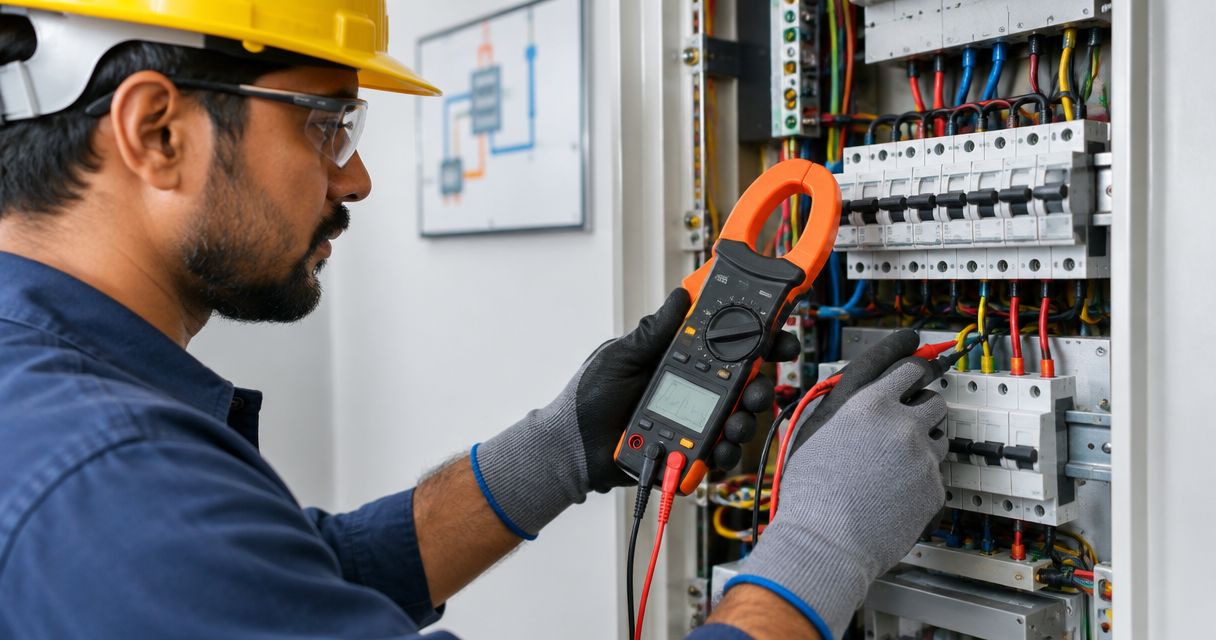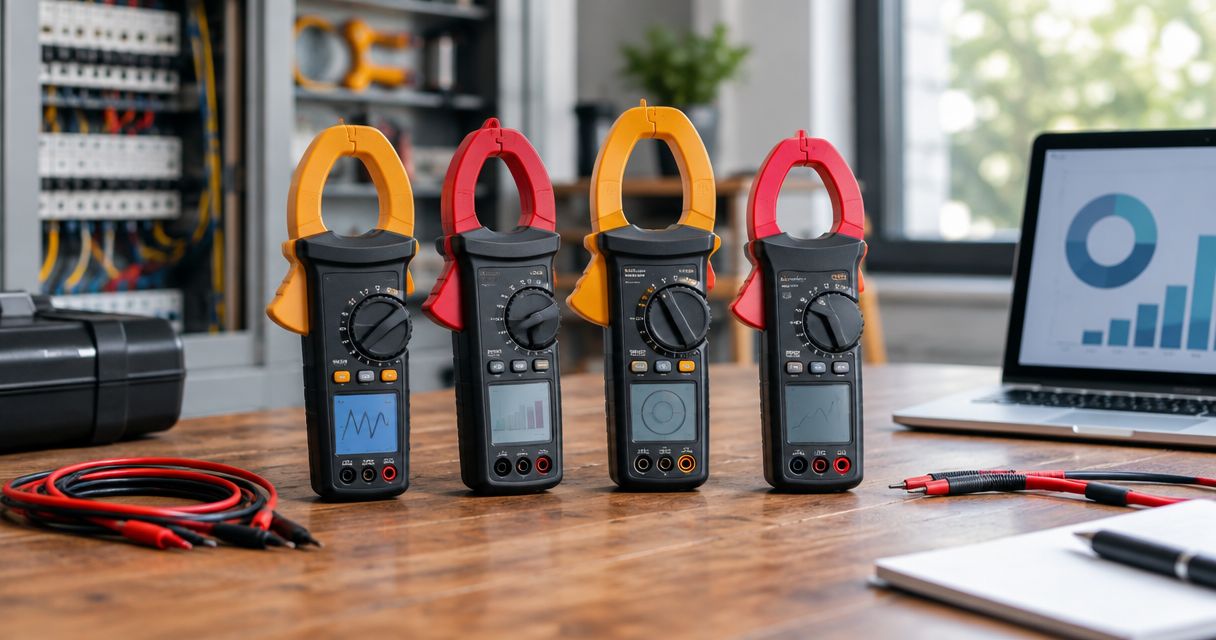
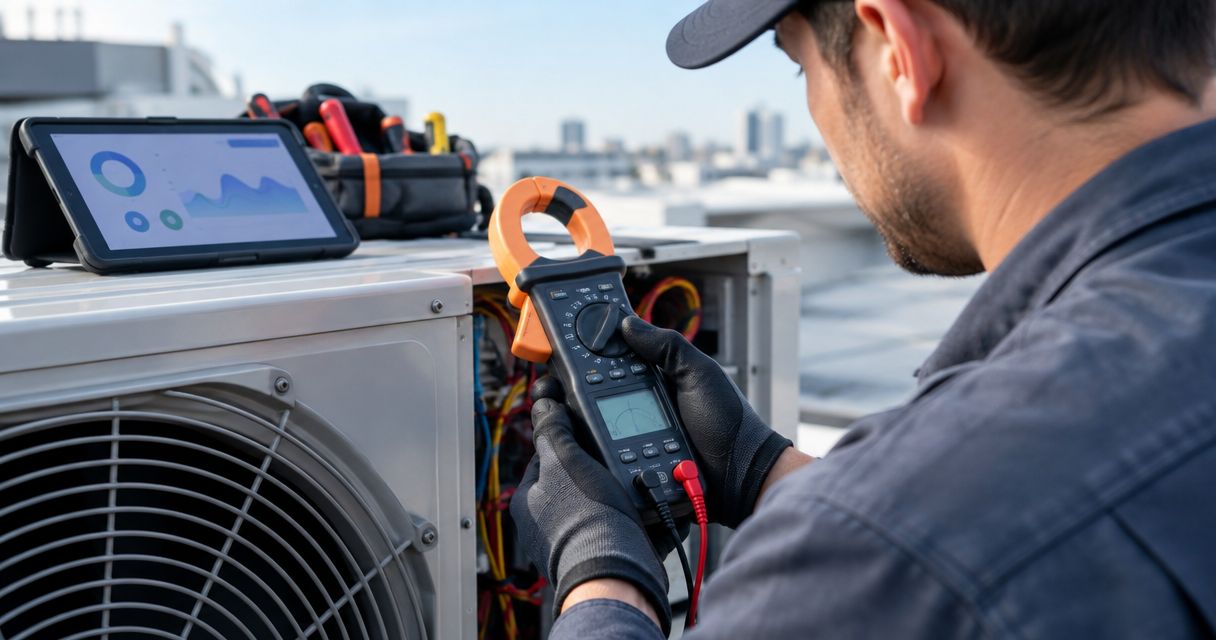
Choosing the best clamp meter for HVAC technicians in 2026 comes down to matching the meter's current range, safety rating, and measurement modes to the systems you actually service — split ACs, VRF units, packaged rooftop units, and the VFD-driven compressors now standard on most commercial installs.
- A true RMS clamp meter is the baseline requirement for reading VFD and ECM motor loads accurately in 2026.
- Microamp DC range matters more than amp range for flame sensor and control circuit diagnostics on gas furnaces.
- Inrush current capture catches hard-start compressor faults that a standard clamp meter reading misses entirely.
- CAT III 600V is the minimum safety rating for panel work; CAT IV suits utility-side and main distribution testing.
- No single clamp meter type wins every job — procurement teams should stock at least two configurations across a service fleet.
Why this matters
HVAC fault-finding in 2026 is not the same job it was a decade ago. Variable frequency drives, ECM blower motors, and inverter-driven compressors put non-sinusoidal current on the line, and a standard averaging clamp meter reads that current wrong — sometimes off by 20% or more. Get the meter category wrong and a technician either misdiagnoses a healthy compressor as failing, or worse, clears a panel as safe when it is not.
Plant maintenance teams, panel builders, and procurement staff buying across categories need a way to pick the right clamp meter type before the purchase order goes out, not after a technician calls in from site. Yantratech Solutions supplies testing and measuring instruments for exactly this reason — pan-India delivery matters less than getting the specification right the first time.
What makes the best clamp meter for HVAC work
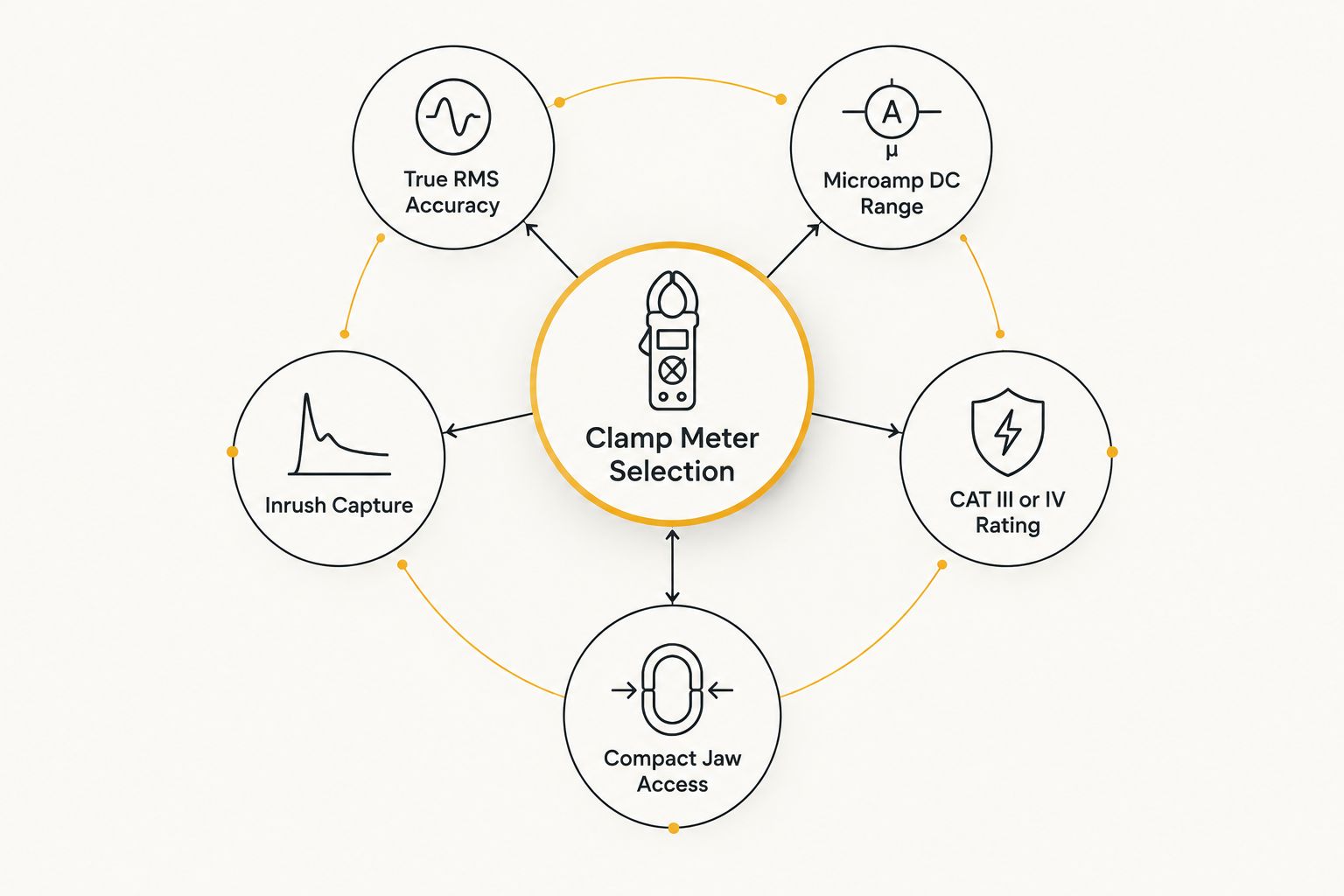
- True RMS measurement — reads non-linear loads from VFDs and ECM motors without the distortion error of averaging-type meters
- Microamp (μA) DC range — required for flame sensor current and low-voltage control circuit diagnostics, not just for motor amps
- Inrush current capture — flags hard-start compressor faults at the moment of startup, when the fault is easiest to catch
- CAT III or CAT IV safety rating — CAT III 600V covers most panel and distribution board work; CAT IV suits main service entrance testing
- Jaw size and access — a slim or mini jaw gets into tight conduit and panel gaps that a standard jaw cannot reach
- Dual display or logging — simultaneous amps-plus-frequency or amps-plus-volts readings speed up VFD diagnostics on a service call
Clamp meter types compared at a glance
| Type | Best for | Standout feature | Key limitation |
|---|---|---|---|
| True RMS clamp meter | VFD-driven and ECM motor systems | Accurate reading on non-linear loads | Adds cost over an averaging meter |
| Microamp DC range clamp meter | Flame sensor and control circuit diagnostics | Reads currents down to single-digit microamps | Overkill for motor-only troubleshooting |
| Inrush capture clamp meter | Compressor startup diagnostics | Captures peak current at the moment of start | Inrush mode alone does not replace True RMS |
| Mini / slim-jaw clamp meter | Tight panel and conduit access | Fits jaw into congested wiring | Smaller jaw often means a lower max current rating |
| Dual-display / logging clamp meter | VFD frequency verification and trend diagnostics | Reads two values or logs a fault trend simultaneously | Longer learning curve on the display and software |
1. True RMS clamp meter: best for VFD-driven and ECM motor systems
A true RMS clamp meter calculates the actual root-mean-square value of a waveform instead of assuming a clean sine wave, which is what an averaging-type meter does. On any HVAC system running a variable frequency drive or an ECM blower motor, the current waveform is chopped and non-sinusoidal, and an averaging meter reads it wrong.
True RMS clamp meter pros:
- Correct readings on VFD, ECM, and inverter compressor circuits
- Works equally well on standard sinusoidal loads, so it doubles as a general-purpose meter
- Now the standard specification most panel builders and service contracts require
True RMS clamp meter cons:
- Costs more than a basic averaging clamp meter
- Does not include microamp DC range or inrush capture by default — check the spec sheet
Best for: technicians servicing modern inverter-driven split ACs, VRF systems, and any equipment with a VFD in the electrical room. Verdict: Buy — this is the non-negotiable baseline spec for 2026 HVAC work.
2. Clamp meter with microamp DC range: best for flame sensor and control circuit diagnostics
Gas furnace flame sensors typically produce a current in the single-digit microamp range, and a standard clamp meter's lowest amp range cannot resolve that signal at all. A clamp meter built with a dedicated μA DC mode reads flame sensor output directly, which cuts a common troubleshooting step down from a multimeter-and-adapter workaround to one clamp reading.
Microamp DC clamp meter pros:
- Reads flame sensor current directly without breaking the circuit
- Useful across low-voltage control wiring diagnostics generally, not just flame sensors
- Pairs well with True RMS mode in combination units
Microamp DC clamp meter cons:
- Adds little value if the technician only handles motor and panel-level amp readings
- Some models trade off max amp range to fit the microamp mode
Best for: residential and light commercial gas furnace service, and any control-circuit fault finding below panel level. Verdict: Buy — a small addition to the fleet toolkit that resolves a specific, recurring furnace call type.
3. Clamp meter with inrush current capture: best for compressor startup diagnostics
A compressor drawing normal running current can still be failing at the moment of startup, and a standard steady-state reading never catches it. Inrush capture mode holds the peak current spike at the instant the compressor kicks on, which is exactly when a weak start capacitor or a failing motor winding shows up.
Inrush capture clamp meter pros:
- Catches hard-start faults that steady-state readings miss entirely
- Directly useful for start capacitor and hard-start kit diagnostics
- Speeds up warranty claim documentation with a captured peak value
Inrush capture clamp meter cons:
- Inrush mode alone is not a substitute for True RMS on running loads
- Less relevant on inverter-driven compressors that soft-start rather than direct-on-line start
Best for: service calls on older direct-on-line compressor systems and window/split units with frequent hard-start complaints. Verdict: Buy — for any technician still servicing non-inverter compressors regularly.
4. Mini / slim-jaw clamp meter: best for tight panel and conduit access
A standard clamp jaw simply will not close around a conductor in a congested panel or a tight conduit run, and technicians end up disconnecting wiring just to take a reading. A mini or slim-jaw clamp meter trades some maximum current rating for a jaw that fits where a standard clamp cannot.
Mini clamp meter pros:
- Reaches conductors in crowded panels without disconnecting wiring
- Lighter and easier to operate one-handed in awkward positions
- Often pairs with a smaller, more portable meter body overall
Mini clamp meter cons:
- Lower maximum current rating than a full-size clamp meter
- Not the right first purchase if panel access is rarely an issue on your service routes
Best for: panel builders and technicians working in older installations with dense wiring or minimal panel clearance. Verdict: Hold — useful as a second meter in the van, not a replacement for a full-size True RMS unit.
5. Clamp meter with dual display and data logging: best for VFD frequency verification and trend diagnostics
Diagnosing a VFD fault often means checking both current and frequency at the same time, and switching a single-display meter back and forth between modes slows the job down. A dual-display clamp meter shows both simultaneously, and a logging function records readings over time to catch an intermittent fault a spot check would miss.
Dual-display / logging clamp meter pros:
- Simultaneous amps-plus-frequency reading speeds up VFD commissioning and fault checks
- Logging catches intermittent faults that only show up under load over time
- Useful documentation for commissioning reports on new VRF and VFD installs
Dual-display / logging clamp meter cons:
- More features to learn on the display and any companion software
- Not necessary for straightforward break-fix calls that do not involve VFDs
Best for: commissioning engineers and technicians handling recurring intermittent-fault complaints on VFD-equipped systems. Verdict: Buy — for teams doing commissioning work; Wait if your call volume is mostly simple break-fix.
How this ranking was built
Each clamp meter type above is ranked against the six selection criteria set out earlier: True RMS accuracy, microamp DC range, inrush capture, safety rating, jaw access, and dual-display or logging capability. No type wins on every criterion, which is the point — the ranking is a decision tree by use case, not a single best pick, because HVAC procurement across split systems, VRF, and packaged units genuinely needs different tools for different faults.
Which clamp meter should you buy?
For most HVAC technicians working across a mixed fleet of split systems, VRF, and packaged rooftop units in 2026, a True RMS clamp meter with a microamp DC range and inrush capture built into one unit covers the majority of daily fault-finding, from flame sensor checks to compressor startup diagnostics. Add a mini/slim-jaw meter as a second unit for congested panel access, and a dual-display logging meter only if your team handles VFD commissioning regularly.
Procurement teams buying across categories should specify CAT III 600V as the minimum safety rating for any unit going into panel work, and confirm CAT IV only where main distribution or utility-side testing is part of the job.
Get the right clamp meter specified
Request a quote for testing and measuring instruments matched to your service fleet.
FAQ
What is the best clamp meter for HVAC technicians in 2026?
A True RMS clamp meter with a microamp DC range and inrush current capture covers the widest range of HVAC diagnostic work in 2026, from flame sensor checks to VFD-driven compressor faults. Technicians handling mostly simple break-fix calls can start with a standard True RMS meter and add specialized modes as call types demand.
Is True RMS necessary for HVAC clamp meters?
Yes, on any system with a VFD, ECM blower motor, or inverter-driven compressor, because these produce non-sinusoidal current that an averaging-type meter reads incorrectly. True RMS has become the standard specification on service contracts for this reason.
What amp range do I need for HVAC clamp meter work?
Most HVAC clamp meters cover a general range up to 400-600A, sufficient for typical residential and light commercial compressor circuits. Larger commercial rooftop units and main distribution work may call for a higher-range or CAT IV rated meter.
Why do I need a microamp range on a clamp meter?
Gas furnace flame sensors typically output current in the single-digit microamp range, far below what a standard clamp meter's lowest amp setting can resolve. A dedicated microamp DC mode reads this directly without a multimeter workaround.
What is inrush current capture used for?
Inrush capture holds the peak current spike at the moment a compressor motor starts, which is when a weak start capacitor or failing winding shows up. A steady-state amp reading taken after startup will not catch this fault.
What safety rating should an HVAC clamp meter have?
CAT III 600V is the minimum rating for panel and distribution board work in most commercial and residential HVAC settings. CAT IV 600V is needed only for main service entrance or utility-side testing.
Do I need a separate clamp meter for VFD systems?
Not necessarily a separate unit, but the meter must have True RMS measurement to read VFD output current correctly. A dual-display model that shows amps and frequency together speeds up VFD-specific diagnostics.
Can one clamp meter cover an entire HVAC service fleet?
A single True RMS meter with microamp DC range and inrush capture handles most daily calls, but panel builders and commissioning teams typically add a mini-jaw meter and a logging meter as a second and third unit rather than relying on one configuration.
One last thing
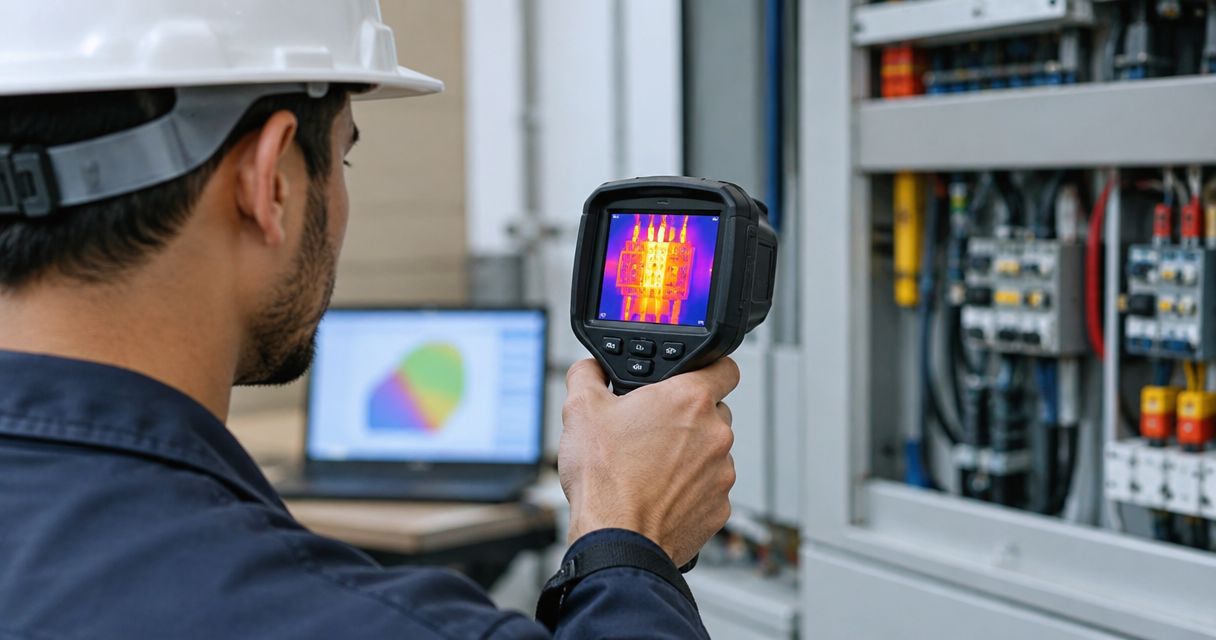
Flame sensor current on a healthy gas furnace typically sits in the 1 to 6 microamp DC range — a fact most technicians know from experience, but one that explains exactly why a standard clamp meter's amp range is the wrong tool for that specific check, no matter how good the True RMS spec is elsewhere on the unit. Procurement teams that treat clamp meter selection as one line item on a purchase order end up buying the wrong configuration twice; teams that map the meter to the fault type first buy it once. Thermal imaging is the natural next instrument on the same service call, particularly for spotting overheating connections or refrigerant flow anomalies that a clamp meter reading alone will not reveal — see what a thermal imaging camera costs in India for a sense of the budget range involved.