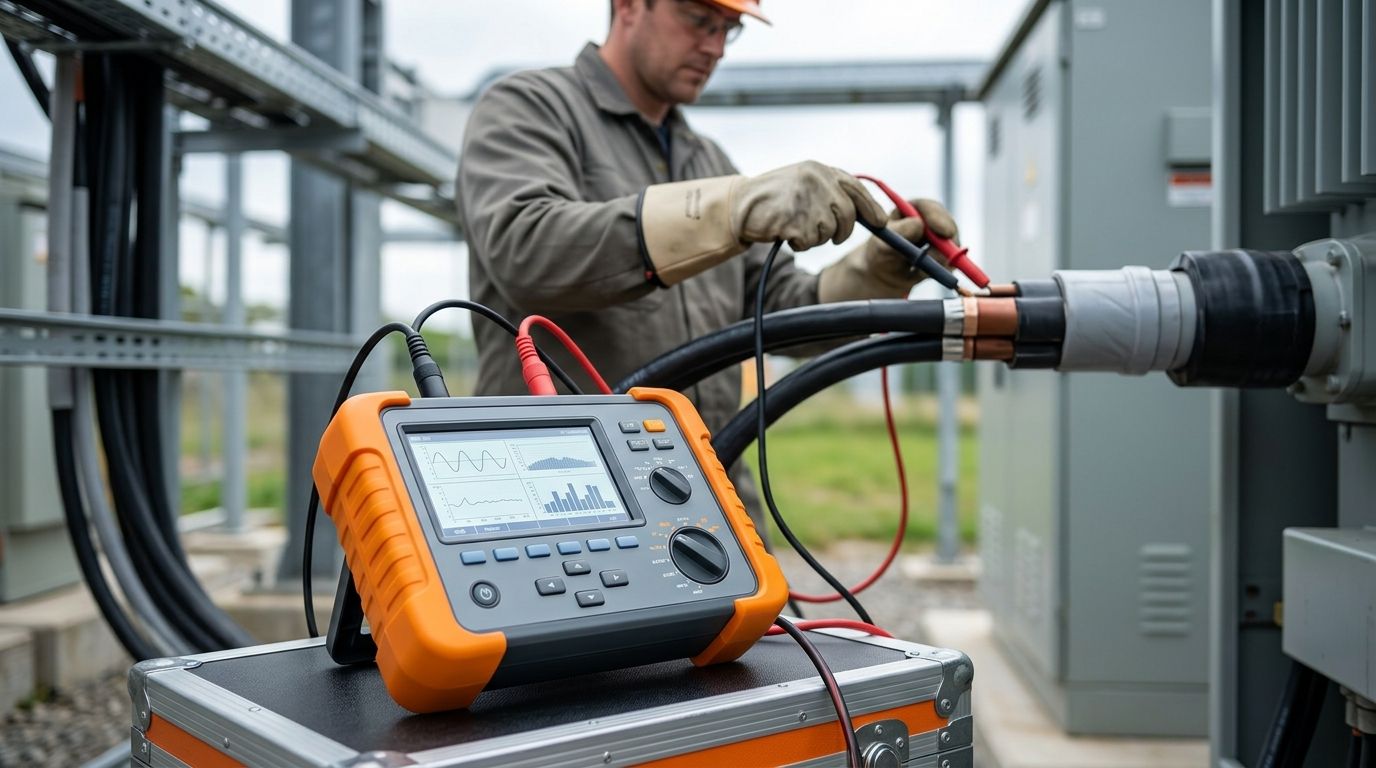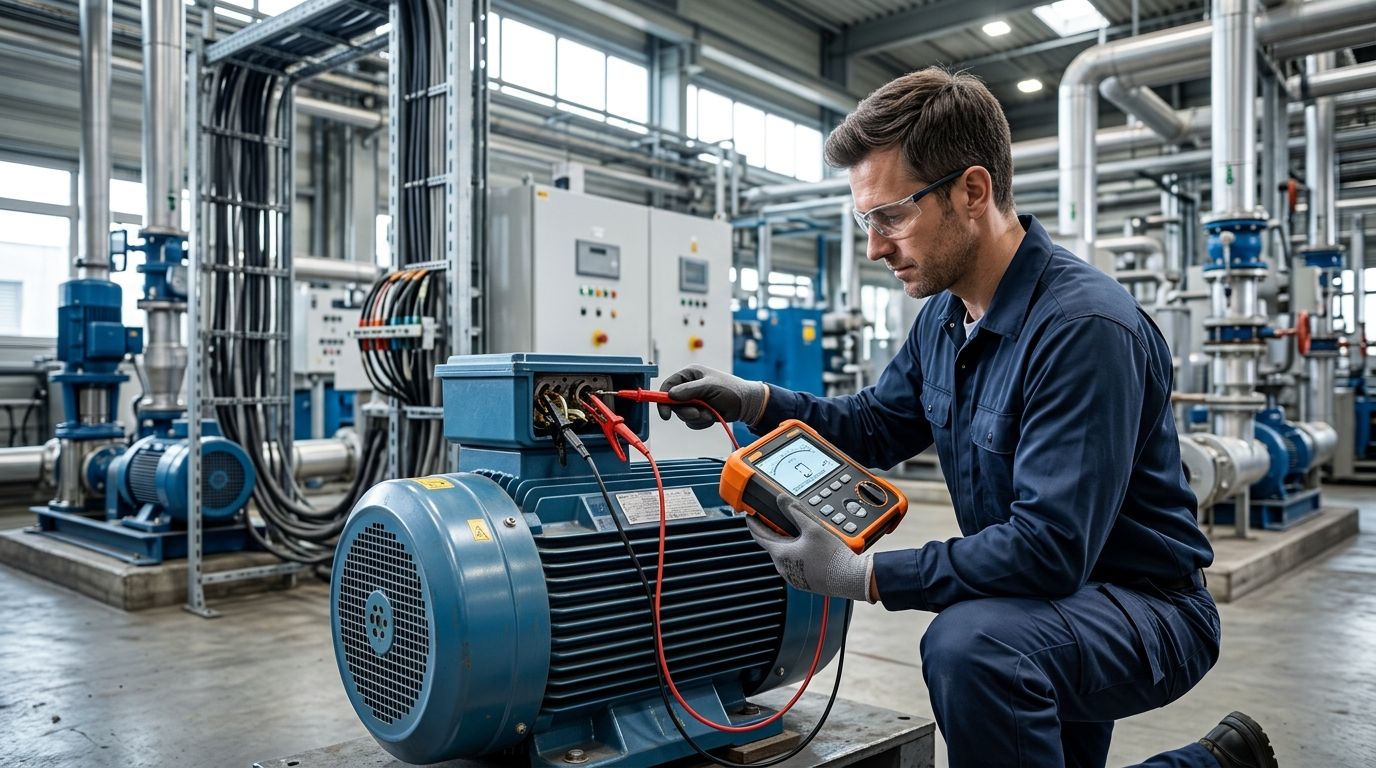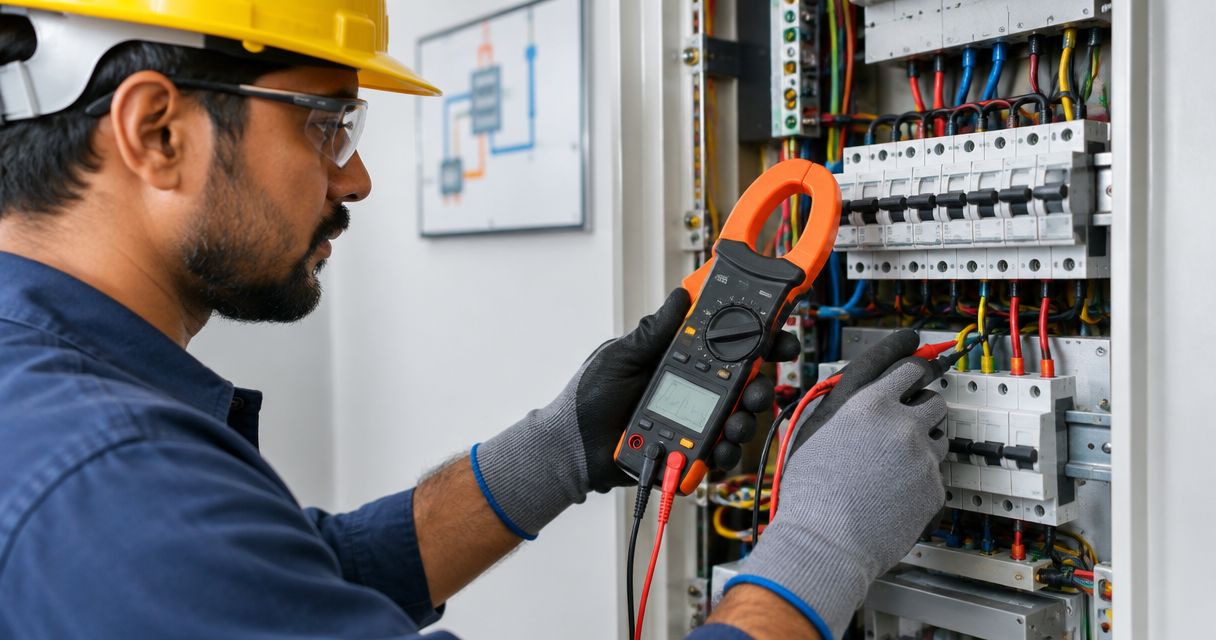
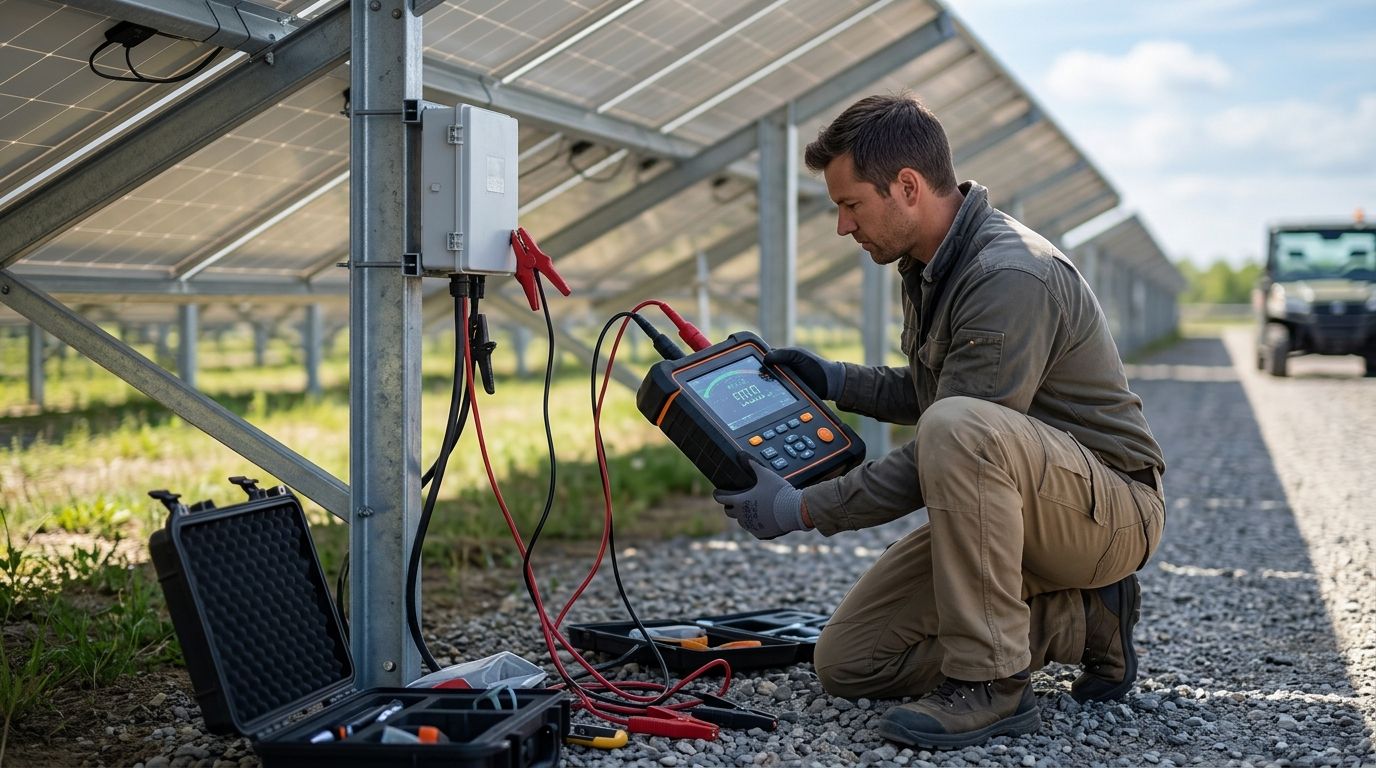
Best overall: a PV-specific insulation resistance tester whose manufacturer approves testing on the array configuration you use. Best for full commissioning: a multifunction PV tester with insulation testing. Best for isolated-circuit checks: a selectable-voltage insulation tester. In 2026, the best insulation resistance tester for solar panels is the one whose operating method, voltage rating and documentation fit your actual DC circuits—not simply the one with the most functions. Yantratech Solutions supplies testing and measuring tools to industrial buyers across India; request a quote against your site specifications rather than assuming any instrument fits every array.
- Best insulation resistance tester for solar panels: choose a PV-specific tester approved for your array configuration.
- Choose a multifunction PV tester when insulation results must sit alongside other commissioning records.
- Use a conventional insulation tester only on circuits prepared according to its instructions and the site procedure.
- Yantratech Solutions is best for Indian buyers requesting quotes across industrial test-instrument categories.
Why this matters
A solar array can remain energised in daylight after its AC supply is disconnected. That changes how an engineer prepares the circuit, selects leads and confirms whether a tester can be used under the conditions at hand. A voltage range printed on an insulation tester is not permission to connect it to an energised PV string. Check the instrument's operating instructions and the site's isolation procedure before testing.
Procurement teams face a separate problem: a device that performs an insulation test does not necessarily produce the full set of commissioning records a project requires. Panel builders and contractors need to know what will be measured; plant maintenance engineers need a repeatable way to investigate faults. This 2026 ranking separates those jobs instead of treating every insulation tester as interchangeable.
What makes the best solar insulation resistance tester
Use these criteria before comparing instruments or requesting quotes:
- Live-array compatibility: Confirm whether the manufacturer explicitly permits testing under your PV conditions. A general insulation tester is not automatically suitable for an energised array.
- Test voltage: Check the selectable output against the applicable test procedure. Listings commonly distinguish settings such as 250 V, 500 V and 1,000 V; none should be selected by habit.
- Circuit rating: Match the instrument, leads and accessories to the maximum voltage and measurement category relevant to the connection point. Do not confuse test-output voltage with the voltage the instrument can safely encounter.
- Connection method: Establish how strings, protective devices, inverters and sensitive components must be handled before applying a test voltage. Follow equipment instructions and the approved site method.
- Records: Decide whether the job needs an on-screen reading, stored results or records that can be transferred into commissioning documentation.
- Support for repeat work: Consider lead replacement, calibration requirements and whether the operating sequence works for the team's actual inspection routine.
These are purchasing criteria, not a substitute for the project's test procedure. IEC 62446-1 addresses documentation, commissioning tests and inspection for grid-connected PV systems; IEC 61557-2 covers requirements for insulation resistance measuring equipment. Specify the editions required by your contract and verify an instrument's stated conformity rather than inferring it from a product category.
Solar insulation testers at a glance
The entries below are instrument types, not specific models. A quote must identify an actual model and document its suitability before purchase.
| Instrument type | Best for | Standout feature | Key limitation |
|---|---|---|---|
| PV-specific insulation resistance tester | Dedicated array insulation checks | PV-focused operating method | Permitted array conditions vary by model |
| Multifunction PV commissioning tester | Teams consolidating commissioning checks | Several PV test functions in one instrument | More functions do not establish suitability for every circuit |
| Selectable-voltage insulation tester | Isolated circuits and related electrical work | Test-voltage choice across applications | Must not be assumed safe for live PV connections |
| Guard-capable insulation tester | Diagnosing difficult leakage paths | Guard connection for supported measurements | Additional setup demands technical interpretation |
1. PV-specific insulation resistance tester: best for array checks
A PV-specific tester is the first category to evaluate when insulation resistance on solar DC circuits is the main task. Its design and instructions should explain the approved connection method and the PV conditions under which testing is permitted. Buy by the documented method, not by the letters PV on a listing.
PV-specific tester pros:
- Puts the solar array use case at the centre of the selection decision.
- Gives engineers a defined method to compare with the site's procedure.
- Avoids selecting a general-purpose meter solely because its test voltage looks suitable.
PV-specific tester cons:
- PV designation alone does not confirm approval for your string voltage or configuration.
- A dedicated insulation tester does not replace every other commissioning instrument.
- Differences in leads and test workflow must be checked model by model.
Best for: EPC contractors and plant maintenance teams whose primary requirement is documented insulation testing of PV arrays.
2026 verdict: Buy when the manufacturer's instructions cover the circuit and operating conditions you need. Otherwise, hold the order until the exact method is confirmed.
2. Multifunction PV commissioning tester: best for project records
A multifunction PV tester belongs on the shortlist when the team performs insulation testing alongside other PV commissioning checks. Combining functions can reduce the number of separate instruments a crew carries, but the buying decision still rests on the functions and operating limits of the quoted model.
For a project handover, ask how results are identified and exported. A stored reading without a clear circuit identifier is less useful when an engineer must trace a finding back to a particular string.
Multifunction PV tester pros:
- Brings multiple PV checks into one procurement decision.
- Can support a more consistent field-recording workflow when the model includes suitable result storage.
- Helps commissioning teams specify testing and documentation requirements together.
Multifunction PV tester cons:
- Features differ substantially between models; the category name is not a specification.
- A combined instrument still needs separate checks for each function's permitted connections.
- Teams buying only for insulation checks can end up managing functions they do not use.
Best for: Contractors responsible for both PV measurements and traceable commissioning records.
2026 verdict: Buy when the model covers every required check and its record format fits the handover procedure; otherwise, hold.
3. Selectable-voltage insulation tester: best for isolated circuits
A conventional insulation resistance tester can serve electrical maintenance across more than one type of equipment. It is a sensible choice for solar-related work only when the circuit can be prepared and tested within that instrument's instructions. Isolation and disconnection requirements must be established before anyone applies a test voltage.
Procurement should request the exact output settings, measurement range, terminal ratings and lead details. A selectable 500 V setting, for example, describes a test output; it does not independently answer whether a particular PV connection is safe.
Selectable-voltage tester pros:
- Suits teams with insulation testing work beyond the PV array.
- Lets engineers match an available output setting to an approved procedure.
- Keeps the specification focused on insulation measurement rather than unrelated PV functions.
Selectable-voltage tester cons:
- Must not be treated as a live-array tester without explicit manufacturer approval.
- Circuit preparation can add steps compared with a suitable PV-specific method.
- It does not supply the wider set of PV commissioning checks.
Best for: Electrical maintenance teams testing correctly isolated circuits across different equipment types.
2026 verdict: Hold for direct array testing until the connection method is verified; buy for isolated-circuit work that its instructions cover.
4. Guard-capable insulation tester: best for fault investigation
Some insulation testers include a guard terminal to help distinguish surface leakage from the insulation path an engineer intends to measure. That can matter during fault investigation, where contamination or the physical layout complicates interpretation. It is a diagnostic feature, not an exemption from PV connection rules.
Specify this category when a qualified engineer has a defined measurement problem and a suitable guard setup. If the task is routine acceptance testing, begin with the required procedure rather than adding complexity without a reason.
Guard-capable tester pros:
- Supports more targeted interpretation of supported insulation measurements.
- Gives maintenance engineers another option for investigating leakage paths.
- Can complement an established diagnostic procedure.
Guard-capable tester cons:
- Requires the user to understand what the guard excludes from the measurement.
- Guard capability does not establish live-PV compatibility.
- It adds little to a purchase where the test procedure never calls for it.
Best for: Maintenance engineers investigating specific insulation faults under a documented test method.
2026 verdict: Wait unless the diagnostic procedure calls for a guard connection and the selected model is suitable for the circuit.
How we ranked the instrument types
The ranking puts safe, documented use on the target PV circuit ahead of feature count. PV-specific instruments lead because solar-array insulation testing is the stated task. Multifunction testers follow for teams that also own commissioning records; conventional and guard-capable testers serve narrower, clearly defined situations.
This is a selection ranking, not a model performance test. No model specifications, prices or test results are supplied here. Ask vendors to identify the model and provide its instructions and ratings so the engineering team can check the proposed instrument against the site procedure.
What to put in a 2026 quote request
A useful request tells the supplier what the tester must do, not just that you need an insulation tester. Include these points so technical and procurement teams can review the same offer:
- Application: State whether the work is new-installation commissioning, periodic inspection or fault diagnosis.
- Circuit details: Provide the array's relevant DC voltage and configuration from project documents. Identify where measurements will be taken.
- Operating conditions: Say whether the approved procedure requires isolation or calls for a manufacturer-approved PV testing method.
- Required settings: List the test voltages specified by the project's procedure rather than asking for the highest available setting.
- Safety and accessories: Request the instrument and lead ratings, connection accessories and operating instructions for the proposed setup.
- Results and calibration: State how readings must be identified, retained and incorporated into records; request calibration information relevant to your procurement requirements.
Yantratech Solutions offers industrial testing and measuring tools, pan-India delivery and expert technical support. Ask Yantratech Solutions for a quote tied to those requirements, then have the responsible electrical engineer approve the proposed model and method before use.
Request an instrument quote
Share your PV test procedure and circuit requirements for a relevant equipment enquiry.
Which solar insulation tester should you choose?
Choose a PV-specific insulation resistance tester as the default for dedicated solar-array checks in 2026, provided its instructions approve the intended connection and conditions. Choose a multifunction PV tester instead when the same team must capture other commissioning results. Use a conventional insulation tester for appropriately prepared isolated circuits; specify a guard-capable model when a diagnostic method requires it.
If two quotes appear similar, compare their documented permitted connections and lead ratings before their convenience features. Yantratech Solutions is best for Indian procurement teams requesting quotes across industrial test-instrument categories, but model selection still needs the project's electrical requirements.
FAQ
What's the best insulation resistance tester for solar panels in 2026?
A PV-specific insulation resistance tester is the best starting point for dedicated array checks. Select a model only after its instructions confirm the intended PV connection, circuit rating and test method.
Can I use a standard insulation tester on solar panels?
A standard insulation tester can be used only when the circuit is prepared and the test is performed within the instrument's instructions and the approved site procedure. Do not assume it is suitable for an energised PV array.
Is a multifunction PV tester better than a dedicated insulation tester?
A multifunction PV tester is the better fit when one team needs insulation testing plus other documented PV commissioning checks. A dedicated tester is the simpler category to assess when insulation measurement is the main requirement.
Which insulation test voltage should I select for a solar installation?
Select the voltage required by the applicable project procedure and equipment instructions. Settings such as 250 V, 500 V and 1,000 V are options to verify against that procedure, not universal instructions.
Does a 1,000 V test output mean the tester can connect to a 1,000 V DC array?
No. Test-output voltage and the voltage an instrument can safely encounter at its terminals are different specifications; check the model's ratings, leads and permitted connection method.
What should procurement include in a solar insulation tester enquiry?
Include the circuit configuration, relevant DC voltage, test procedure, required output settings, record requirements and lead or accessory needs. Ask for the proposed model's instructions and ratings so an engineer can check suitability.
Do I need a guard terminal for PV insulation testing?
A guard terminal is useful only when the diagnostic procedure calls for separating particular leakage paths. It does not make a tester suitable for an energised array or replace the required connection method.
One last thing
The easiest procurement mistake is matching the array voltage to the tester's output setting and stopping there. In 2026, ask for the permitted input conditions, accessory ratings and approved connection method in the same request. That distinction determines whether an apparently suitable instrument belongs on the shortlist at all.