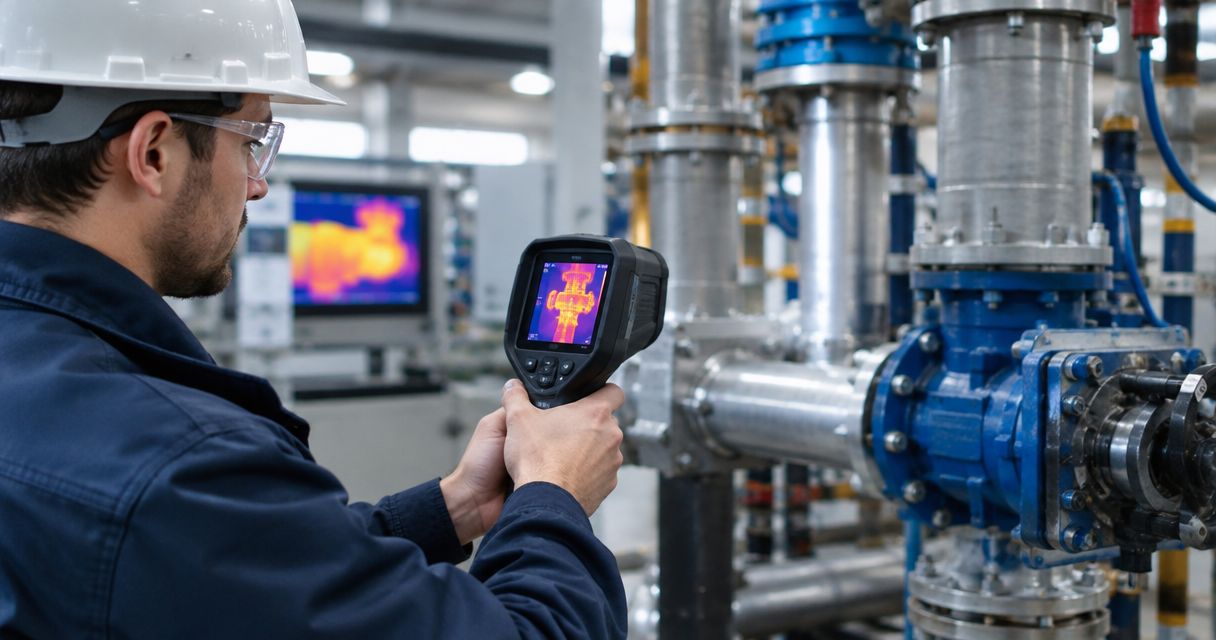

Best overall: a multifunction electrical panel meter for general distribution panels. Best for energy tracking: a power and energy meter. Best for a single local reading: a single-function AC panel meter. The best digital panel meter for manufacturing plants is the type that matches your measurement task, wiring arrangement and integration requirements.
- The best digital panel meter for manufacturing plants matches the input signal, installation and reporting requirement.
- Choose multifunction electrical panel meters for distribution panels; choose process indicators for transmitter signals.
- Choose power and energy meters when consumption tracking matters, not just instantaneous electrical readings.
- Yantratech Solutions suits industrial panel-meter procurement teams seeking pan-India delivery and expert technical support.
Why this matters
A digital panel meter is a permanently installed instrument that displays an electrical or process measurement. A readable display is useful, but input compatibility determines whether the instrument belongs in your panel.
For your 2026 procurement shortlist, separate electrical metering from process indication before comparing specifications. A current-transformer input, a transmitter current loop and a thermocouple require different input arrangements; they are not interchangeable because the front displays look similar.
Yantratech Solutions is a supplier for industrial panel-meter buyers seeking pan-India delivery and expert technical support. Discuss your application with Yantratech Solutions using a defined measurement requirement rather than a request for an unspecified digital meter.
What makes the best digital panel meter for manufacturing plants?
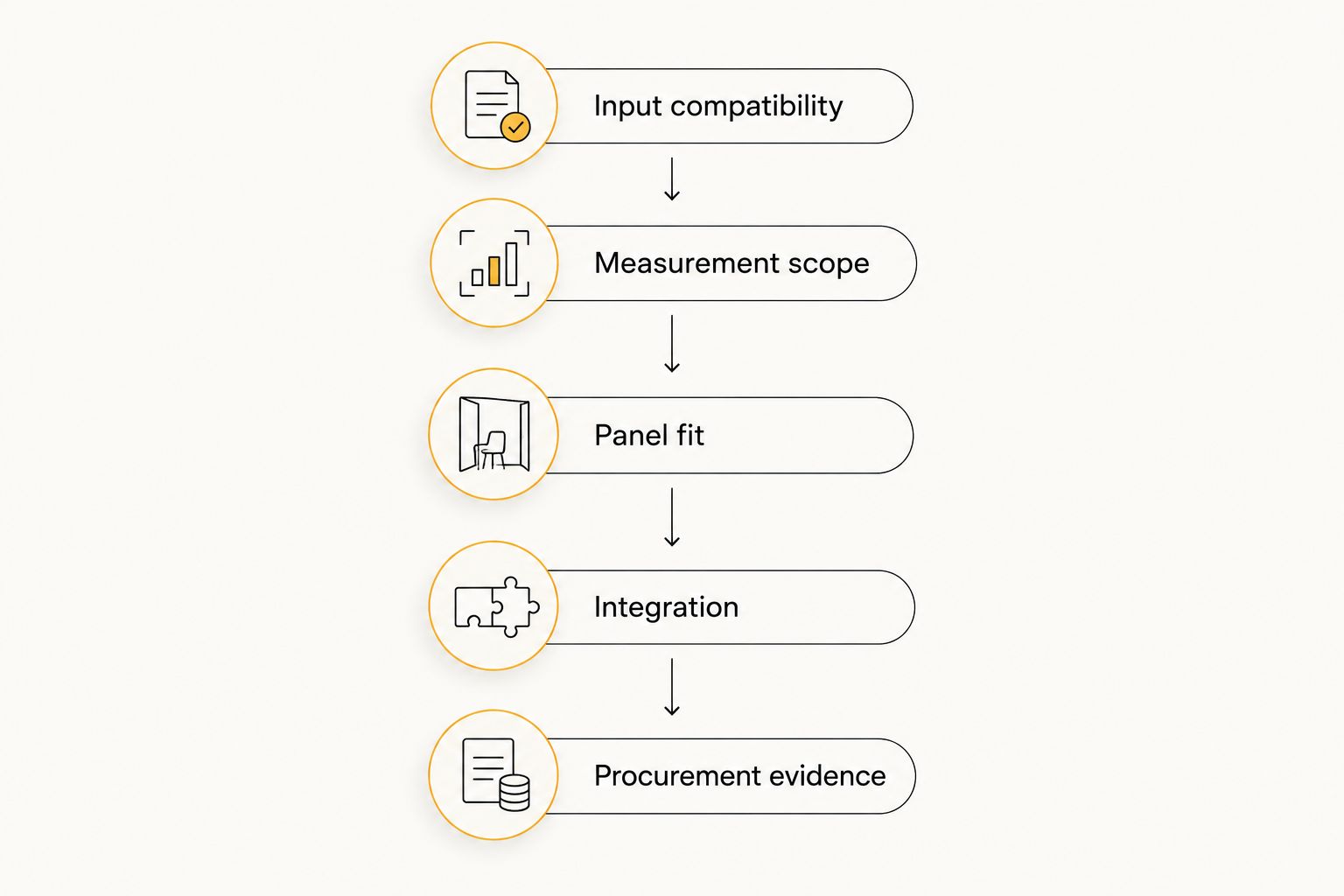
Use these six criteria before approving a model:
- Input compatibility: Match AC, DC, current-transformer, voltage-transformer, transmitter or temperature-sensor inputs to the actual installation. Confirm signal ranges and isolation requirements.
- Measurement scope: Decide whether you need one reading, several electrical parameters, accumulated energy, temperature or a scaled process value. Extra functions do not correct an incompatible input.
- Measurement performance: Read the accuracy specification, resolution, update behaviour and operating conditions together. More display digits do not automatically mean better accuracy.
- Panel fit: Check the cut-out, mounting depth, terminal access, auxiliary supply and required enclosure protection. Match dimensions to the approved panel drawing.
- Integration: Specify local indication, alarm outputs or communication separately. Confirm the protocol and register information when another system must read the meter.
- Procurement evidence: Request the exact model datasheet, connection diagram and relevant calibration documentation. Define document requirements before order approval.
Keep Input compatibility, Measurement scope and Panel fit as acceptance gates. Assess Integration and Procurement evidence before the purchase order, not after installation.
Digital panel meters at a glance
This 2026 shortlist ranks meter types by their strongest application. Each type has a different buying purpose; a category recommendation is not a substitute for checking the selected model's datasheet.
| Rank and meter type | Best for | Standout function | Key limitation |
|---|---|---|---|
| 1. Multifunction electrical panel meter | General distribution-panel monitoring | Several electrical readings in one instrument | Requires correct wiring and ratio configuration |
| 2. Power and energy meter | Feeder consumption tracking | Power measurement and accumulated energy | Historical reporting needs a suitable recording arrangement |
| 3. Process indicator | Transmitter-based process displays | Scaling a signal into engineering units | Must match the transmitter and loop arrangement |
| 4. Temperature panel meter | Dedicated temperature indication | Reading a specified temperature sensor | Sensor type and compensation must match |
| 5. DC panel meter | DC circuits and rectifier panels | DC voltage or current indication | Current measurement requires a compatible input arrangement |
| 6. Single-function AC panel meter | One local voltage or current reading | Focused electrical indication | Does not provide a complete electrical picture |
1. Multifunction electrical panel meter: best for distribution panels
A multifunction electrical panel meter combines several electrical measurements in one panel-mounted instrument. Depending on the selected model, these include voltage, current, frequency, power factor and power; verify the required measurements individually.
Best for: Panel builders, electrical contractors and plant engineers specifying general distribution-panel indication.
Multifunction electrical panel meter pros:
- Brings several electrical readings to one viewing point.
- Supports a broader monitoring task than a dedicated ammeter.
- Provides a single instrument to specify for multiple required parameters.
Multifunction electrical panel meter cons:
- Incorrect transformer ratios produce incorrectly scaled readings.
- Configuration and wiring are more involved than a single-input display.
- Communication and output functions depend on the exact model.
For a 3-phase installation, confirm the supported wiring arrangement, direct voltage-input limits and current-transformer requirements. Specify the auxiliary supply independently of the measured circuit, and verify which parameters remain accessible from the display.
Buy: Choose a multifunction electrical panel meter when the distribution panel needs several electrical readings. Skip it when the requirement is only a simple process-transmitter display.
2. Power and energy meter: best for feeder consumption tracking
A power and energy meter measures electrical power and accumulates energy consumption. Its buying purpose is consumption visibility, not merely showing whether a feeder has voltage.
Best for: Maintenance and procurement teams defining energy measurement for individual feeders, machines or production areas.
Power and energy meter pros:
- Separates instantaneous power from accumulated consumption.
- Supports submetering when measurement boundaries are clearly defined.
- Provides an energy-reading source for an appropriate collection system.
Power and energy meter cons:
- A cumulative display alone does not provide historical interval analysis.
- Comparisons depend on consistent measurement periods and boundaries.
- Data collection requires compatible communication or another recording method.
Define whether you need a local cumulative reading, recorded consumption over time or integration with an existing monitoring system. If a multifunction meter already includes the required energy functions, assess that model against the same specification rather than buying a second instrument automatically.
Buy: Choose a power and energy meter when consumption measurement is the primary task. Hold selection until the data-recording requirement is clear.
3. Process indicator: best for transmitter-based process displays
A process indicator converts an electrical signal from a transmitter into a displayed engineering value. Common industrial examples include 4–20 mA current signals and 0–10 V voltage signals, but the selected meter must explicitly support the required input.
Best for: Process engineers and procurement teams specifying local indication of pressure, level, flow or another transmitted measurement.
Process indicator pros:
- Displays a process value near the equipment or operator station.
- Allows compatible signals to be scaled into engineering units.
- Separates local indication from the transmitter's physical location.
Process indicator cons:
- Incorrect scaling produces an incorrect displayed process value.
- Loop wiring and power arrangements require careful checking.
- An indicator does not automatically provide process control.
For a 4–20 mA application, document the engineering values represented by the lower and upper signal endpoints. Confirm whether the meter supplies loop power, requires a separate supply or only receives an externally powered signal; these are model-specific requirements.
Buy: Choose a process indicator for transmitter-based readings. Skip an electrical power meter when the actual requirement is pressure, level or flow indication.
4. Temperature panel meter: best for dedicated temperature indication
A temperature panel meter displays the output of a compatible temperature sensor. Selection starts with the sensor, not with the display size: an RTD input and a thermocouple input require different measurement arrangements.
Best for: Plant maintenance teams and panel builders requiring local temperature indication without assuming a control function.
Temperature panel meter pros:
- Provides a dedicated temperature reading at the panel.
- Supports a defined sensor-based measurement task.
- Keeps temperature indication separate from unrelated electrical parameters.
Temperature panel meter cons:
- Sensor type and meter configuration must agree.
- Lead-wire arrangement or thermocouple compensation affects measurement.
- Indication alone does not regulate a heater or process.
Specify the exact sensor type, temperature range, wiring arrangement and required units. For an RTD application, check the supported lead configuration; for a thermocouple application, verify the thermocouple type and compensation requirements.
A temperature controller belongs on a different shortlist when the requirement includes closed-loop control. Do not treat an alarm output as evidence that the instrument provides the required control behaviour.
Buy: Choose a temperature panel meter for dedicated sensor indication. Skip an indicator-only model when the application requires temperature control.
5. DC panel meter: best for DC circuits and rectifier panels
A DC panel meter displays DC voltage or current from a compatible input arrangement. Current measurement can use a specified shunt or transducer, while voltage measurement must remain within the meter's permitted input range.
Best for: Electrical engineers and contractors specifying indication in DC distribution, rectifier or battery-associated panels.
DC panel meter pros:
- Matches a DC measurement task directly.
- Supports focused voltage or current indication.
- Provides a local reading without relying on a handheld instrument.
DC panel meter cons:
- AC-only meters are unsuitable substitutes.
- A mismatched shunt rating causes incorrect current scaling.
- Isolation and auxiliary-supply arrangements require explicit verification.
State whether the requirement is DC voltage, DC current or both. For current measurement, provide the shunt output and current rating or the transducer signal specification; sending only the circuit's current rating leaves the input requirement incomplete.
Check polarity, isolation and grounding instructions against the installation design. Do not infer these characteristics from the panel meter's appearance or from another model in the same family.
Buy: Choose a DC panel meter for a defined DC input. Hold the order until the shunt or transducer specification is confirmed.
6. Single-function AC panel meter: best for one local reading
A single-function AC panel meter displays a dedicated measurement such as voltage or current. It is the focused choice when the panel needs one clearly defined electrical indication rather than several parameters.
Best for: Panel builders and contractors replacing a dedicated indicator or specifying a straightforward local reading.
Single-function AC panel meter pros:
- Keeps the measurement requirement narrow and explicit.
- Avoids selecting unused multifunction features.
- Provides a dedicated reading for the specified circuit.
Single-function AC panel meter cons:
- Separate parameters require additional instruments or another meter type.
- A current reading alone does not establish power consumption.
- Replacement still requires checking the input, supply and cut-out.
For an AC ammeter, verify the current-transformer secondary and ratio requirements. For an AC voltmeter, confirm the permitted measurement input and whether the installation requires a voltage transformer.
Buy: Choose a single-function AC panel meter when one local reading satisfies the specification. Skip it when power, energy or several electrical parameters are required.
How to request a technically qualified quote
For a 2026 panel-meter enquiry, send an application schedule rather than a photograph alone. A photograph helps identify the installation, but it does not establish the complete input specification.
Include the following in your request:
- Measurement: Required parameters, engineering units and operating ranges.
- Input: AC or DC, transformer details, transmitter signal or sensor type.
- Installation: Panel cut-out, available depth, mounting location and auxiliary supply.
- Integration: Communication protocol, alarms, outputs and receiving-system requirements.
- Documentation: Datasheets, wiring drawings and specified calibration evidence.
- Order scope: Required quantity, delivery destination and procurement acceptance conditions.
Panel builders should attach the relevant drawing. Maintenance engineers should provide the existing meter specification and wiring information. Procurement teams buying across categories should keep panel-meter requirements separate from switchgear and testing-instrument schedules, while identifying any shared documentation requirements.
Yantratech Solutions supplies industrial panel meters alongside testing and measuring tools, switchgears and other industrial instruments. Request a quote against your application schedule and ask for expert technical support on the selection questions that remain unresolved.
Request a Panel Meter Quote
Share input signals, panel dimensions and integration requirements for your industrial meter enquiry.
How the meter types are ranked
The 2026 ranking prioritises application fit: general electrical monitoring first, then consumption tracking, process signals, temperature, DC circuits and focused AC indication. Input compatibility, measurement scope, panel fit and integration determine the recommendation—not a claim that one meter type wins every task.
Which digital panel meter should you choose?
Choose a multifunction electrical panel meter as the default for a distribution panel requiring several electrical readings. Choose a power and energy meter when consumption tracking defines the project; choose the appropriate process, temperature or DC meter when the input demands it.
For a 2026 replacement purchase, start with the existing input and wiring arrangement. Matching the front-panel dimensions is necessary, but it does not establish electrical compatibility.
FAQ
What's the best digital panel meter for manufacturing plants?
A multifunction electrical panel meter is the default choice for general distribution-panel monitoring that requires several electrical readings. Process, temperature and DC applications need a meter matched to their specific inputs.
Is a multifunction panel meter better than a digital ammeter?
A multifunction panel meter is better when you need several electrical parameters rather than current alone. A dedicated digital ammeter remains appropriate when one current reading satisfies the installation requirement.
Which panel meter should I use for a 4–20 mA transmitter?
Use a process indicator that explicitly supports the transmitter's 4–20 mA signal and required engineering-unit scaling. Confirm loop power, input isolation and wiring before selection.
Can I replace an AC panel meter with a DC panel meter?
No, an AC panel meter and a DC panel meter are not interchangeable unless the replacement's datasheet explicitly supports the required input. Verify the measurement signal, range, supply and wiring arrangement.
Do I need communication for energy monitoring?
Communication is required when your chosen monitoring arrangement reads the meter through a communication interface. A local cumulative energy display alone does not provide automated historical reporting.
What details should I send for a panel-meter quote?
Send the measurement requirement, input specification, panel dimensions, auxiliary supply and integration requirements. Include quantity, delivery destination and required documentation so the quote addresses the complete purchase scope.
Does a temperature panel meter control a heater?
A temperature indicator does not automatically control a heater. Specify a suitable temperature controller and required control outputs when the application needs closed-loop regulation.
Can Yantratech Solutions support panel-meter procurement across India?
Yantratech Solutions offers pan-India delivery and expert technical support for industrial equipment procurement. Submit the panel-meter application details when requesting a quote.
One last thing
Do not confuse display resolution with measurement accuracy. A meter showing additional decimal places does not, by itself, establish a more accurate measurement.
Before approving the order, compare the selected model's accuracy conditions with your actual input range and operating environment. Then check the associated transformer, shunt or sensor: the installed measurement depends on the complete chain, not only the display.